
Glaucoma in Cats: A Painful, Sight-Threatening Emergency
Glaucoma in cats is raised pressure inside the eye that can blind quickly. Usually secondary to uveitis, its red, cloudy, painful signs are an emergency.
Glaucoma in cats is a dangerous rise in the pressure inside the eye, and it is one of the few eye problems that counts as a true emergency. That pressure damages the nerve that carries sight, and once vision is lost to it, it does not come back. In cats it is usually secondary, most often to the inflammation called uveitis, rather than something the eye develops on its own. The signs are a red, cloudy or bluish, painful eye, sometimes visibly enlarged. Because blindness can follow fast, a painful, cloudy eye needs a vet the same day, not a wait. This is a guide to what glaucoma is and why speed matters, not a diagnosis for your own cat.
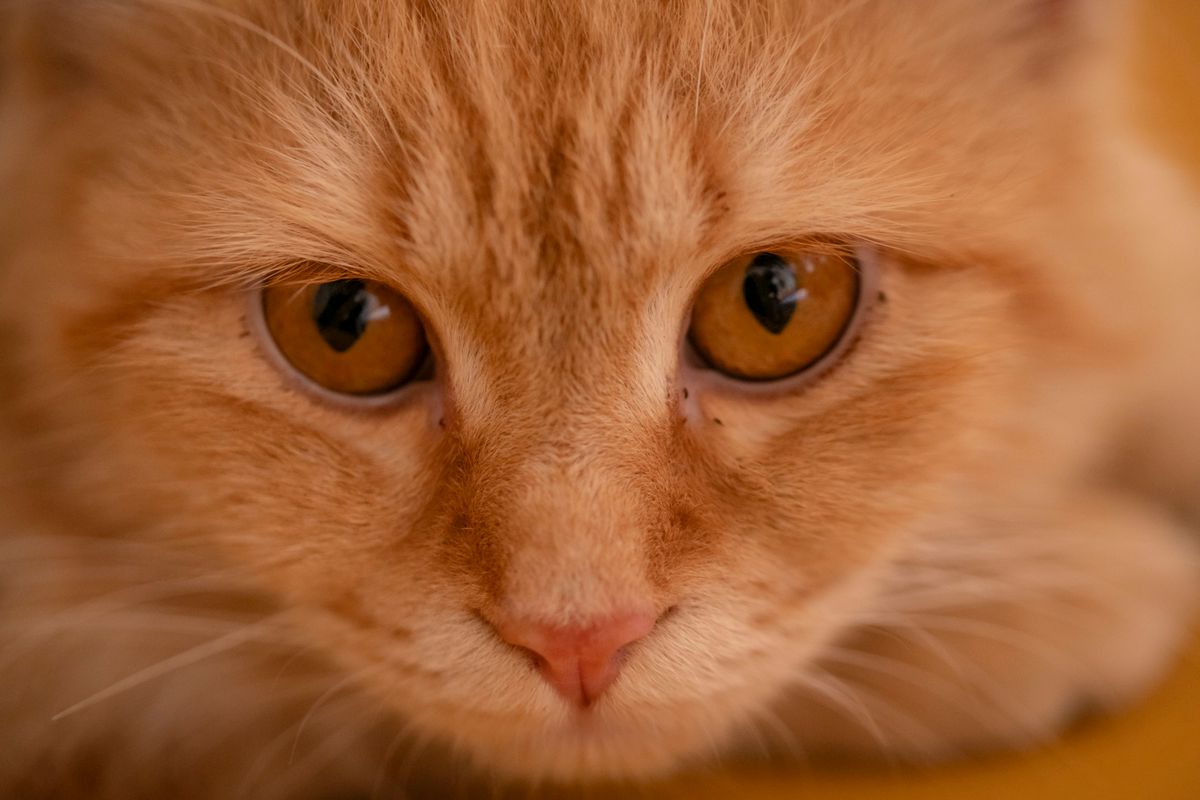
The short version: a red, cloudy or bluish, painful eye, especially one that looks enlarged or that your cat holds shut, needs to be seen the same day, or at an emergency clinic. Glaucoma blinds quickly if the pressure is not brought down, and the sight it takes is gone for good. Because most feline glaucoma is secondary to another eye problem, the vet treats both the pressure and its cause.
What is glaucoma in cats?
Glaucoma is fundamentally a plumbing problem. The eye constantly makes a fluid and constantly drains it, and glaucoma is what happens when the drain fails. VCA defines it simply: glaucoma is a disease of the eye in which the pressure within the eye, called intraocular pressure (IOP), is increased. Cornell describes the mechanism: feline glaucoma is a condition in which the watery fluid (aqueous humor) contained in the front part of the eye, just behind the lens, is unable to drain normally.
That backed-up pressure is what does the harm. Cornell is blunt about the stakes: nerve damage caused by this pressure prevents normal vision and, if the condition progresses without treatment, is likely to result in partial or total blindness. The pressure of the eye, this cat eye pressure that sits at the center of the disease, is measured by the vet with an instrument: as VCA notes, intraocular pressure is measured using an instrument called a tonometer, which is a quick, painless part of the exam.
Primary versus secondary: why uveitis matters
There are two kinds of glaucoma, and in cats one is far more important than the other. Primary glaucoma is the eye's own fault: Cornell describes it as a relatively rare, inherited, and often breed-related condition. It is uncommon.
The one that matters for most cats is secondary glaucoma, which arises from another problem in the eye. VCA explains that secondary glaucoma results in increased intraocular pressure due to some other eye disease or injury to the eye, and Cornell notes that this form is far more common than primary glaucoma in cats. What sits behind it most often is inflammation. As Cornell puts it, the most frequent cause is uveitis, where debris from the inflammation clogs the eye's drainage. This is the link back to the whole body, because uveitis itself has systemic causes: Cornell lists that it has several causes including infection with the feline immunodeficiency virus (FIV), the feline leukemia virus (FeLV), feline infectious peritonitis (FIP) and toxoplasmosis. So secondary glaucoma in cats often traces back through uveitis to an illness elsewhere. Tumors are another route, since VCA notes tumors can cause physical blockage of the iridocorneal angle, the eye's drainage point, which ties it to cancer as well.
The signs: a red, cloudy, painful eye
The glaucoma in cats symptoms owners can actually see are a painful, changed-looking eye. The clearest visible change is in the cornea, the clear front of the eye: VCA notes that the cornea or clear part of the eye may become cloudy or bluish in color. Alongside that you may see redness, obvious pain, a dilated pupil that does not respond to light, and in more advanced cases an eye that looks visibly enlarged, since the sustained pressure can stretch it.
Cats hide eye pain, and this is the reason not to wait: by the time the eye looks obviously wrong, the damage is often done. Cornell is unsparing about this: it is not reversible, and by the time the clinical signs of glaucoma are noticed, substantial vision loss will already have occurred. That is exactly why a cloudy, painful eye is not something to watch for a few days. A red or painful eye can also be uveitis or another problem, and only an exam can tell, but all of them earn a prompt visit.
Why glaucoma in cats is an emergency
The answer to whether glaucoma in cats is an emergency is a clear yes, and it comes down to speed. VCA states the danger plainly: blindness can occur very quickly unless the increased IOP is reduced. The window to save sight is short, so the same-day rule is not caution for its own sake, it is the difference between keeping and losing an eye's vision. Combine that with the fact that lost sight does not return, and glaucoma becomes one of the few eye conditions that genuinely cannot wait until tomorrow. If your cat has a suddenly cloudy, red, or painful eye, treat it as an emergency and call your vet or the nearest open clinic now.
Diagnosis and treatment of glaucoma in cats
Diagnosis rests on measuring the pressure. As VCA describes, diagnosis of glaucoma depends upon accurate IOP measurement and internal eye examination using special instruments, which is why the eye is checked with a tonometer and examined closely rather than diagnosed by appearance alone.
Glaucoma in cats treatment has one urgent goal first: bring the pressure down. VCA is direct that it is important to reduce the IOP as quickly as possible to reduce the risk of irreversible damage and blindness. That is done with medications, sometimes given as an emergency, and then a plan for the longer term. Because most feline glaucoma is secondary, the underlying cause is treated alongside the pressure, which usually means treating the uveitis and searching for the disease behind it. Some cats do well on medication for a long time. In an eye that is already blind and painful, a vet may recommend removing the eye, which sounds drastic but ends the pain and is often a kindness for a cat who cannot see from it anyway. Your vet, often with an ophthalmologist, is the one to weigh these choices for your cat.
How to tell what you are seeing
Use this to describe the eye to your vet, not to diagnose, since only an exam and pressure measurement can confirm glaucoma.
| What you see | What it may mean | How urgent |
|---|---|---|
| Cloudy or bluish cornea, red, painful, maybe enlarged | Glaucoma, high eye pressure | Same day, emergency |
| Red, squinting, shies from light | Uveitis, inflammation inside the eye | Prompt vet visit |
| Painless faint bluish haze, no redness | Normal lens aging | Routine, mention at check-up |
Frequently asked questions
What are the symptoms of glaucoma in cats? A red, cloudy or bluish, painful eye, often with a dilated pupil, sometimes visibly enlarged, and vision loss. Cats hide the early pain, so by the time the eye looks obviously wrong, damage has often been done. Any cloudy or painful eye should be seen the same day.
Is glaucoma in cats an emergency? Yes. Blindness can happen quickly if the pressure is not reduced, and lost vision does not return. A suddenly cloudy, red, or painful eye is a same-day emergency, so call your vet or an emergency clinic rather than waiting to see if it improves.
What causes glaucoma in cats? Most feline glaucoma is secondary, meaning it comes from another eye problem, and the most frequent cause is uveitis, an inflammation whose own causes include infections like FeLV, FIV, FIP, and toxoplasmosis. Tumors can also block the eye's drainage. Primary, inherited glaucoma is rare in cats.
Can glaucoma in cats be cured? The vision already lost cannot be restored, but the pressure can often be controlled and remaining sight protected if treatment starts fast. Cats with secondary glaucoma also need the underlying cause treated. A blind, painful eye is sometimes removed to end the pain, which many cats do well after.
Is my cat's cloudy eye glaucoma? It might be, but a cloudy eye has several causes. A painful, red, cloudy or bluish eye suggests glaucoma or uveitis and needs prompt care, while a painless, faint bluish haze with no redness is usually harmless lens aging. Because you cannot tell the dangerous kind from the benign kind at home, a genuinely cloudy or painful eye is worth a vet's look.
The bottom line
Of all the changes you might notice in a cat's eye, a cloudy, red, painful one is the one to move on fastest. Glaucoma takes sight quickly and permanently, and the only thing that changes the outcome is speed, getting the pressure measured and lowered before more of the nerve is lost. Biscuit's eyes are clear and easy, and if one ever turned cloudy and sore, or started to look larger than the other, I would not wait for morning; I would treat it as the emergency it is. That is the whole of it with glaucoma in cats: it is painful, it is fast, and the sight you save is the sight you act quickly to protect.
Sources
- Cornell Feline Health Center, Feline Glaucoma
- VCA Animal Hospitals, Glaucoma in Cats