
Cancer in Senior Cats: The Signs, and What Is Actually Possible
Cancer in senior cats is serious but not always a death sentence. The vague early signs, why lymphoma is most common, and what treatment can realistically do.
Cancer in senior cats is the word every owner of an old cat dreads, and I am not going to pretend it is not serious, because it is. It is common in senior cats, and some of it takes them. But the fuller picture is more useful, and gentler, than the dread lets you believe: the most common feline cancer often responds to treatment, cats handle that treatment far better than people do, and the signs of cancer in cats are vague enough that noticing them early is most of the battle. This is what to watch for, what it can mean, and what is genuinely possible, without either false cheer or false doom.
None of this is a diagnosis or a substitute for your vet, who is the only one who can tell cancer from the many ordinary things that mimic it. If anything here worries you about your own cat, that is a reason to book a visit, not to panic at the kitchen table.
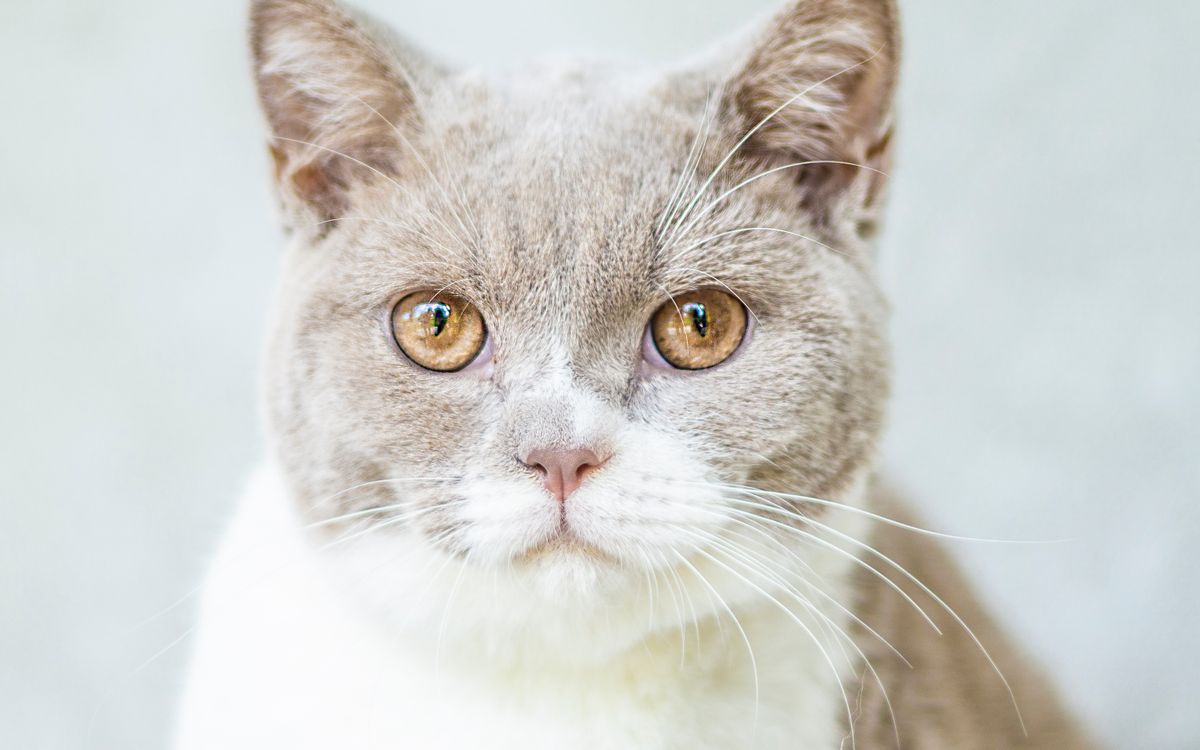
What are the signs of cancer in a cat?
The hard truth about cancer's early signs is that almost none of them are specific. They are the same quiet changes that a dozen treatable conditions cause, which is exactly why cancer is easy to miss and why any of them, if it persists, earns a vet visit. Cornell's list of things to take seriously includes:
- Unexplained weight loss. Cornell does not mince words: unintended weight loss should set off alarms. It is also a sign of an overactive thyroid or kidney disease, which is the whole problem: the same clue points many ways.
- A lump or bump that grows. Not every lump is sinister, and as Cornell notes, bumps could be benign fatty tumors or could be more aggressive cancers. A vet check is how you tell.
- Changes in eating, or vomiting and diarrhea that linger. Persistent digestive trouble in an older cat has cancer on its list of causes, well down it, but on it.
- Trouble in the litter box. Cornell warns that A too-clean litterbox is always a serious concern, meaning a cat who has stopped producing much.
- Labored or fast breathing, sores that do not heal, a foul odor from the mouth, or new lethargy and hiding. Each has innocent explanations too, and each is worth a look if it stays. A foul-smelling mouth with new drooling is worth a prompt dental exam, partly because an oral tumor can hide behind ordinary dental signs.
The point of the list is not to frighten you about a single sneeze. It is that the earlier any of this is caught, the more your vet can do. As Cornell puts it, caught early on, many cancers can be managed to give your cat more quality time.
Lymphoma, the most common feline cancer
If your cat is diagnosed with cancer, lymphoma is the most likely kind. Cornell calls it the most frequently diagnosed among all types of feline cancer, and VCA calls it one of the most commonly diagnosed cancers in cats, although it is less common than it once was. Most often it sets up in the gut. Cornell reports that feline lymphoma is most often seen in the gastrointestinal tract, where the clinical signs include weight loss, vomiting, diarrhea, and often either a decreased or increased appetite. That overlap is why it can hide behind ordinary-looking stomach upset, and why telling it apart takes more than a guess: as Cornell says, definitive diagnosis requires biopsies of the intestinal tract. A cat with long-running digestive signs who is not eating well may need that step to sort lymphoma from an inflamed but benign gut. Lymphoma can also turn up in other places, including the eye, where it can show as uveitis.
Is cancer in cats treatable?
This is the part the dread gets most wrong. A cancer diagnosis is frightening, but for many cats it is the start of a plan rather than the end of the road. Lymphoma is a good example, because it is often treated, and treated well. Cornell reports that with aggressive chemotherapy protocols, between 50-80% of cats will achieve remission of clinical signs for an average duration of between four and nine months. Remission is short of a cure, and those numbers are honest about that, but it can mean good months a cat would not otherwise have had.
And the treatment is not what most people picture. The fear of chemotherapy, all the sickness we associate with it in humans, does not translate to cats. VCA is reassuring on this point: Most cats tolerate chemotherapy well; they rarely lose their hair or appear sick. Side effects happen, VCA notes, although these effects are seen in only about 10% of patients. None of this makes every cancer beatable, and the outlook varies enormously by type and where it is found. What it does mean is that a diagnosis opens a conversation with your vet or an oncologist about the options for your particular cat, rather than closing the door on her.
When to see the vet
See your vet for any of the signs above that lasts more than a few days, for any lump that is new or growing, and for a sore that will not heal. None of these means cancer on its own, and most turn out to be something else, but they are all worth ruling out while there is the most to be done. This is also the quiet case for the regular senior check-ups that catch these things before you would: an older cat seen twice a year gives her vet the chance to feel a lump or notice a slip in weight while it is still early.
Cancer is a hard word, and I will not tie a bow on it. But if it ever lands on your cat, know that it is the beginning of a set of choices, not the end of them, and that even when a cure is off the table, keeping her comfortable and content is always on it. That is its own kind of good care, and I have written about how to weigh it in the guide to quality of life for a senior cat, and our quality of life scale can help put a number to it when the picture feels too foggy to trust your gut alone. Biscuit is sixteen, and every lump I find under her fur sends a cold jolt through me before the vet tells me it is only a fatty one. I would rather have that jolt, and the visit that settles it, than the quiet of not looking. That, in the end, is the only useful stance on cancer in senior cats: not dread, but attention.
Sources
- Cornell Feline Health Center, Warning Signs of Cancer
- Cornell Feline Health Center, Lymphoma
- VCA Animal Hospitals, Lymphoma in Cats