
Senior Cat Lumps and Bumps: When to Worry
Senior cat lumps and bumps can't be told benign from cancerous by feel, and cats skew malignant. When to worry about lumps and bumps, and what to do.
Finding a lump on a senior cat is a small jolt every cat owner knows, and the honest answer to a cat lump, and when to worry, is: worried enough to have it checked, but not to panic before you do. The hard truth about senior cat lumps and bumps is that you cannot tell a harmless one from a dangerous one by feel, and cats lean more toward the dangerous end than dogs do, which is why the usual "most lumps are nothing" reassurance is worth less here. Plenty do turn out to be nothing. The way to find out is a quick test, not a wait.
This is general guidance, not a diagnosis of your cat's particular lump, which only your vet can identify.
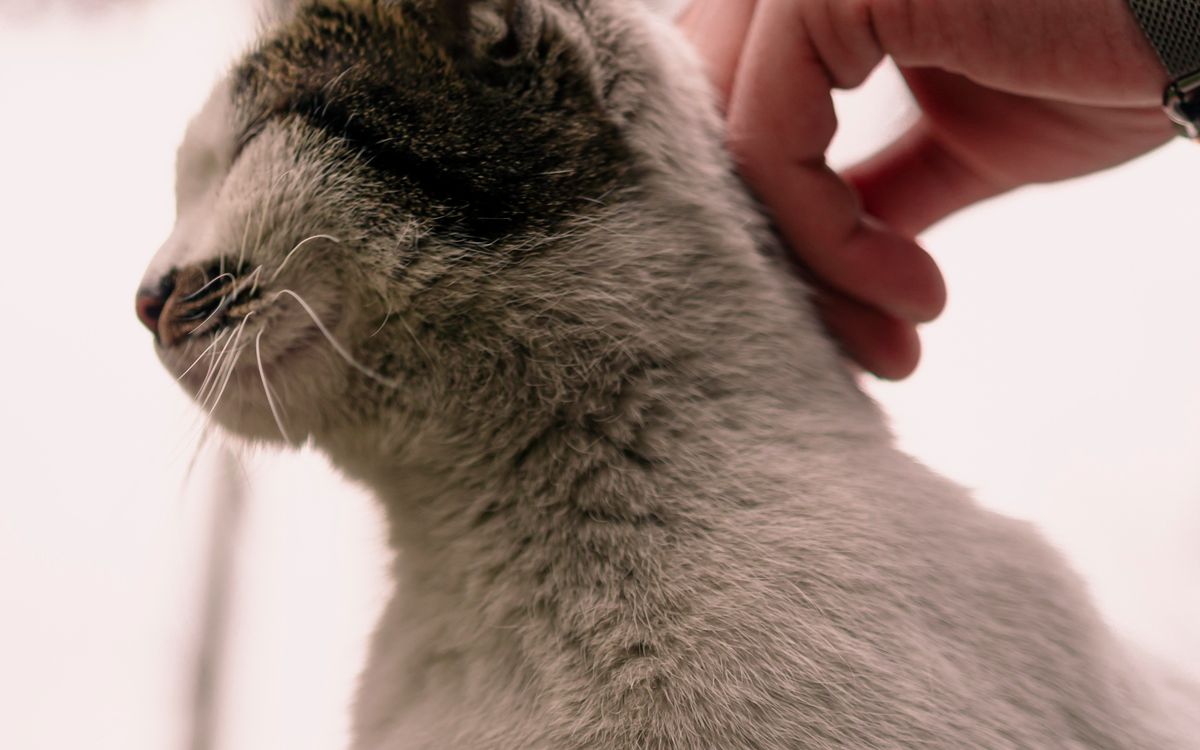
The short version: you cannot tell if a lump is cancerous by looking or feeling. Some are harmless, like fatty lumps, cysts, and abscesses, but many feline tumors are malignant, so any new lump should be checked. A quick needle test usually tells your vet what it is. Have new or changing lumps looked at promptly rather than watching and waiting.
Can you tell if a cat's lump is cancerous by looking at it?
No, and this is the single most important thing to understand. A soft, movable lump is often benign and a hard, fixed one more worrying, but those are odds, not answers, and even a vet cannot be sure by touch. PetMD is blunt about it: most lumps in cats cannot be diagnosed with the naked eye. A vet may make an educated guess, but as PetMD notes, the only way to know for sure is with basic skin testing. So a lump that feels reassuring is not the same as a lump that has been checked.
The common lumps that are often harmless
A good many lumps are not cancer at all, and knowing the usual benign ones takes some of the fear out of finding one. PetMD describes the common suspects: fatty tumors, or lipomas, are soft lumps under the skin that are often slow-growing and freely movable when touched. There are cysts, which PetMD explains are similar to abscesses, except the material inside is not infectious. And there are abscesses themselves, a pocket of infection that has been walled off by the body, often from a bite or scratch, which tend to be sore and to come up fast. The catch stays the same throughout: these feel a certain way, but feel is not proof.
Why lumps deserve more caution in cats
This is where cats differ from dogs, and where the cheerful internet advice can mislead you. A meaningful share of feline tumors are malignant, and the clearest example is in the mammary chain, the line of glands along a cat's belly. VCA states it plainly: mammary tumors are the third most common type of tumor in cats and most are malignant (at least 80%). Eighty percent is a very different picture from the roughly even odds quoted for dogs, and it is why a lump along the belly of an older female cat should never be watched and waited on. This is also the symptom end of cancer in senior cats: sometimes the first sign is a lump you can feel, and sometimes it is vaguer, like unexplained weight loss or a fading appetite.
How a vet finds out: the needle test
Getting an answer is usually quick and minor. The first step is almost always a fine needle aspirate, a simple in-office test where a small needle draws a sample from the lump: as PetMD describes it, cells are removed and microscopically examined. It often needs no sedation and gives many answers on its own. If the needle test is not conclusive, your vet may take a small biopsy for a firmer diagnosis. Either way, you go from not knowing to knowing in a step or two, which is the whole point of not sitting on it.
When to worry, and what to do
Treat any new lump, and any old lump that has started to change, grow, or bother her, as a reason to book a visit. Do not talk yourself out of it because it feels soft or she seems fine; the point of the sections above is that feel and demeanor are not diagnoses. There is no lump you will regret having checked, and the ones that matter are the ones caught early. PetMD's advice is the safe one: if you notice a new lump or bump on your cat, it is always recommended that you have it examined by your veterinarian. Between visits, a monthly hands-on check is worth building into your routine, and it is easy to fold into her regular check-ups too.
Frequently asked questions
I found a lump on my cat. Is it serious? It might be, and it might be harmless; you cannot tell without a test. A new cat lump under the skin is worth a prompt check either way. PetMD notes that most lumps in cats cannot be diagnosed with the naked eye, so the right move is to have it checked promptly rather than to guess. Many are benign, but the ones that are not do best caught early.
Are lumps on cats usually cancerous? Not all, but cats skew more toward malignant tumors than dogs do. VCA notes that feline mammary tumors are the third most common type of tumor in cats and most are malignant (at least 80%). That is why the "most lumps are nothing" advice you see for dogs does not transfer safely to cats.
Benign vs cancerous lump on a cat: can I tell by feel? No. A soft, movable lump is more often benign and a hard, fixed one more concerning, but these are only odds. Even a vet cannot be certain by touch, which is why testing exists.
Does the needle test hurt my cat? A fine needle aspirate is quick and usually well tolerated, often without sedation, since it is only a small needle drawing a few cells. It is far less of an ordeal than the worry of not knowing.
How can I lower my cat's risk of mammary tumors? Spaying early is the main lever. VCA reports that cats spayed before six months of age have only a 9% risk of developing mammary tumors, and that cats spayed between 7 and 12 months of age have a 14% risk. For a cat already grown, regular checks and prompt attention to any lump are what matter.
The bottom line
You will not know what a lump is by pressing on it, worrying about it, or reading about it, and in a cat the stakes are high enough that a quick test beats a long wait every time. Biscuit has a soft little lump on her flank that I found one evening and did not sleep well over. It turned out to be a fatty lump, nothing at all, which I only know because we had it checked rather than because it felt harmless. That is the whole point of learning about senior cat lumps and bumps: the checking is cheap, the not-knowing is expensive, and the lumps that matter are the ones you catch while there is the most to be done.
Sources
- VCA Animal Hospitals, Mammary Tumors in Cats
- PetMD, Lumps on Cats: How Veterinarians Diagnose Lumps and Bumps