
Senior Cat Not Eating and Hiding: When to Worry
A senior cat not eating and hiding can be urgent: even a day or two without food risks the liver. What is behind it, how fast to act, and when to see the vet.
A senior cat not eating, who stops her meals and takes herself off to hide, is one of the more urgent changes an owner can notice, more urgent than it tends to look. Two things make it serious. Cats are experts at masking illness, so a cat who is openly off her food and withdrawn usually already feels quite unwell. And going without food is genuinely dangerous for a cat: even a short stretch of not eating can tip the liver into a condition called hepatic lipidosis. VCA is blunt about the timeline: if your cat has refused food for more than two days, consult your veterinarian immediately. This is a see-the-vet sign rather than a wait-and-see one.
This runs through what a lost appetite can mean and how quickly to move. What is actually wrong with your own cat is a question for your vet, since the list of causes is long and telling them apart takes an exam.
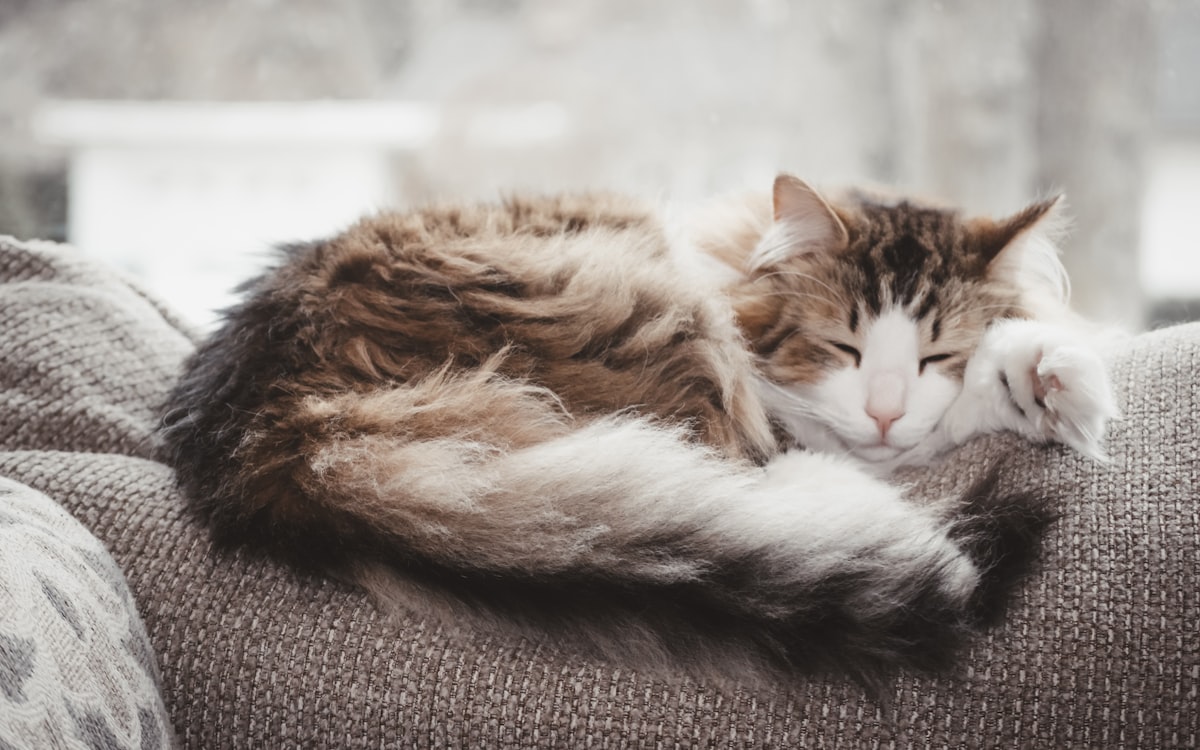
How urgent is a senior cat that will not eat?
The danger here builds by the day, so the timeline matters more than with most symptoms.
- Worth watching for a meal or two. She skipped a meal but is otherwise bright, still drinking, moving around normally, and not hiding. Offer a favorite food and keep a close eye. If she is not eating properly by the next meal or two, call.
- Book a visit soon. She has been eating clearly less for a few days, or a normally sociable cat has started to withdraw and hide, in a cat who is getting on in years.
- Same day, or an emergency clinic. She has not eaten at all for around a day, sooner if she is overweight, because the liver risk is higher. Also same-day: hiding paired with lethargy, drooling or pawing at the mouth, repeated vomiting, or any yellow tinge to the gums or the whites of the eyes.
Why not eating is more dangerous for cats than for us
A person can skip meals for a day or two without much harm. A cat cannot, and the reason is her liver. VCA explains that sudden inappetence in cats, especially overweight or obese cats, is particularly dangerous because of the risk for liver failure. When a cat stops eating, the body must process fat from the body to meet its energy requirements, and a cat's liver is not able to handle large amounts of fat and will develop hepatic lipidosis. Counterintuitively, a plump cat who stops eating is in more danger from it than a lean one. Lipidosis most often takes hold in a cat who is already unwell with something else, so a cat who has a diagnosis like diabetes and then goes off her food should be seen sooner rather than later.
Why a sick cat hides
Cats evolved to conceal weakness, so a cat who feels unwell, nauseous, or sore will often slip away to a quiet, dark corner rather than show it. That instinct is exactly why a normally sociable cat spending her days under the bed is worth taking seriously, and why it so often arrives together with the untouched bowl. Hiding is not sulking. In an older cat it is usually a message.
What is usually behind it
A lost appetite is what doctors call non-specific, meaning almost anything that makes a cat feel bad can cause it. VCA groups the common culprits as kidney disease, dental problems such as loose teeth and periodontal disease, gastrointestinal issues, pain, cancer, and simply losing the ability to smell food. In a senior cat, two of these are especially easy to miss: a painful mouth, since dental disease and tooth resorption are common and hidden, and the quiet nausea of chronic kidney disease or pancreatitis. The length of that list is the whole point. Because so many things cause it, finding the right one takes an exam and bloodwork rather than a guess at home.
What you can do
The main thing is to get her seen. While you arrange that, you can gently tempt her: offer a small amount of a strong-smelling favorite, warmed a little to bring the smell out, since a cat who cannot smell her food often will not eat it. Do not force full meals, and do not give human food or any medicine to settle her stomach without asking your vet first. Note down when she last ate a proper amount, whether she is still drinking, and what the litter box tells you. Given the two-day rule, the one thing to avoid is letting it ride.
When to call the vet
Make it a same-day call if she has not eaten for about a day, sooner if she carries extra weight, or if the hiding comes with lethargy, drooling, vomiting, or a yellow cast to her gums or eyes. Otherwise, book a visit within a day or two of any clear drop in appetite.
The empty bowl is easy to explain away, and I have talked myself out of worrying about a skipped meal more than once. A senior cat not eating is a clock, not a mood. A cat who genuinely will not eat is rarely just being fussy, and because the risk grows with each day that passes, this is the one symptom where acting early counts for the most.
Frequently asked questions
How long can a cat go without eating? Not long before it becomes dangerous. VCA is blunt: if your cat has refused food for more than two days, consult your veterinarian immediately. The risk is the liver, because a cat who stops eating can tip into hepatic lipidosis, and an overweight cat is in more danger from it than a lean one. Treat around a day with no food at all as a same-day call, sooner if she carries extra weight.
Why is my old cat not eating? A lost appetite is non-specific, meaning almost anything that makes a cat feel unwell can cause it. VCA groups the common culprits as kidney disease, dental problems such as loose teeth and periodontal disease, gastrointestinal issues, pain, cancer, and simply losing the ability to smell food. In a senior cat, a painful mouth and the quiet nausea of kidney disease are two of the easiest to miss.
Should I worry if my senior cat won't eat but is still drinking water? Yes. Still drinking is a little more reassuring than refusing water too, but it does not lift the two-day rule, because the liver risk comes from the lack of food, not the lack of water. If she is eating clearly less for a few days, or not at all for about a day, book the visit rather than waiting to see if her appetite returns.
Sources
- VCA Animal Hospitals, Anorexia in Cats