
Hepatic Lipidosis in Cats (Fatty Liver): A Senior Owner's Guide
Hepatic lipidosis in cats, or fatty liver, is what makes a cat who stops eating an emergency. The signs, why not eating triggers it, and how it is treated.
Hepatic lipidosis in cats, also called fatty liver, is the dangerous condition hiding behind a rule this site keeps coming back to: a cat who stops eating needs a vet, and soon. When a cat goes without food, her body starts breaking down its own fat for fuel, and her liver cannot keep up. It is dangerous, but caught early and fed aggressively, often through a feeding tube, it is a liver disease most cats survive.
This is a plain guide to what fatty liver is, why not eating causes it, and how it is treated. It does not replace your own vet, who can diagnose it and manage the illness that set it off.
What is hepatic lipidosis in cats?
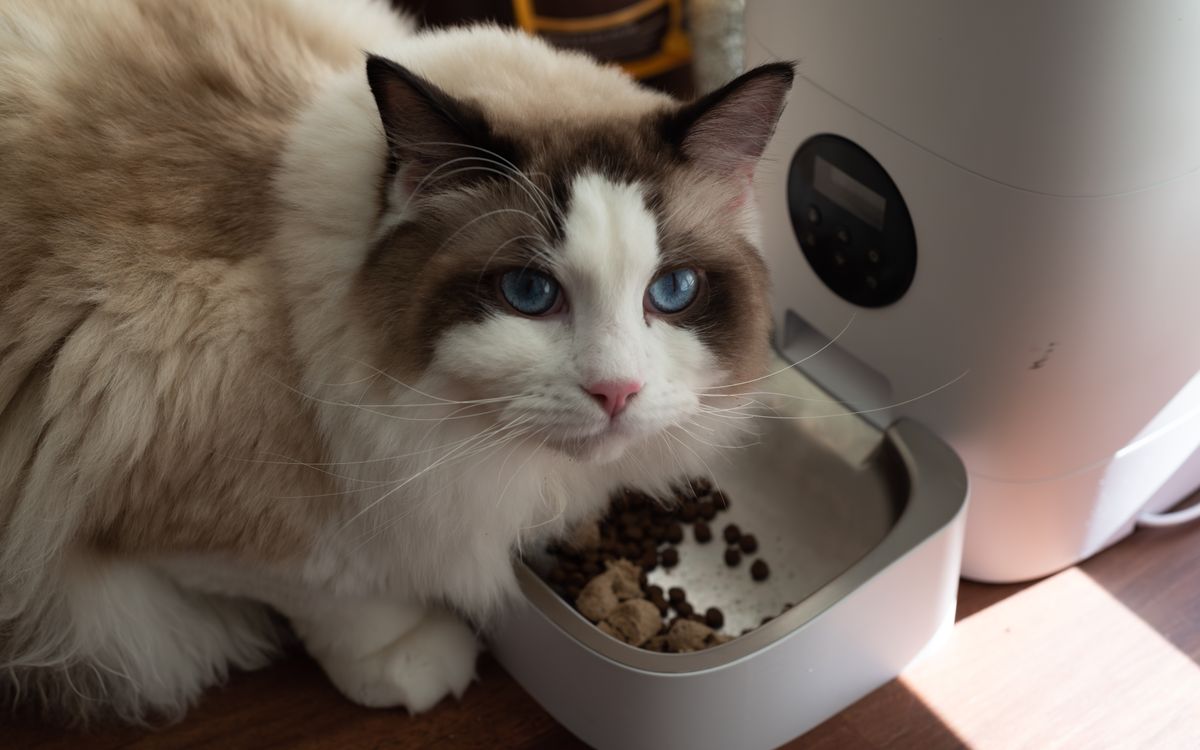
Hepatic lipidosis is a liver disease that is, in a strange way, unique to the species. VCA describes it as also known as fatty liver syndrome and one of the most common liver diseases seen in cats, the other common one being cholangitis. The mechanism is the heart of it. When a cat stops eating and the body turns to its fat reserves for energy, the fat can overwhelm the ability of the liver to process it, and it ends up stored in and around the liver cells, which chokes the organ's function further. A liver clogged with fat works less well, which makes the cat feel worse, which keeps her off her food, which feeds the cycle. That is why a short bout of not eating, covered in more detail in the guide on a senior cat who has stopped eating, can spiral into something life-threatening.
Why does not eating trigger fatty liver?
Almost every case starts with a cat who quit eating for some other reason. VCA puts a timeline on it: a cat with hepatic lipidosis has usually recently gone through a period of anorexia, meaning little or no eating, for three to four consecutive days. Weight is the cruel twist here. The risk is greater if the cat was overweight or obese before the anorexia began, because there is simply more fat to flood the liver. A chunky cat who goes on a hunger strike is in more danger from it than a lean one.
Just as important is what made her stop eating in the first place. VCA notes that in greater than 90% of cats, an underlying disease has caused the inappetence. The usual culprits are ones this site covers in depth: inflammatory bowel disease, pancreatitis, diabetes, and cancer, among others. That is why fatty liver is rarely the whole story. It is a second problem stacked on top of a first, and treating it means finding and treating the thing underneath.
What are the signs of fatty liver in cats?
The early picture is just a cat who is not eating and is losing weight, which is why the disease is so easy to miss until it is advanced. The most telling later sign is jaundice. VCA says the cat usually becomes icteric or jaundiced, which shows up as a yellow color in the whites of the eyes or in the skin, and sometimes in the gums or the inside of the ears. By the time jaundice appears, these cats have often lost at least 25% of their body weight, a startling amount that reflects how long the fast has run. That yellow tinge is jaundice, and yellow eyes in cats always warrant a vet, so if you notice any yellow in your cat's eyes or skin, especially alongside a poor appetite or ongoing weight loss, that is a same-day reason to be seen.
How is hepatic lipidosis diagnosed?
Because the outward signs point to a dozen illnesses, the diagnosis rests on tests. VCA explains that it is made from blood tests that demonstrate poor liver function and confirmed by sampling the liver itself, either a liver biopsy or fine needle aspirate. That sample is often taken with a needle guided by ultrasound, which also lets the vet look at the liver and hunt for the underlying disease at the same time. In some cases a vet will treat on a strong presumption without a biopsy, when the history and bloodwork line up clearly and the cat is too unstable to wait.
How is hepatic lipidosis in cats treated?
The treatment is at once reassuring and demanding. There is no drug that dissolves the fat; the treatment is food. VCA is direct: hepatic lipidosis is treatable with aggressive nutritional support until a normal appetite returns. Because a sick, nauseous cat will not eat enough on her own, the standard approach is a feeding tube. VCA describes how a feeding tube is surgically implanted into your cat, so you can syringe-feed a special diet directly into your cat's gastrointestinal tract. It sounds alarming and looks worse in the first photo, but for most owners it becomes a manageable home routine: you feed a measured food slurry through the tube three to five times per day, along with any anti-nausea and liver-support medications the vet prescribes. This is not a quick fix. VCA puts the course at an average of six to seven weeks, and the tube stays until she is eating enough on her own again.
Can cats recover from fatty liver?
Yes, and the odds are genuinely encouraging when the disease is caught before it goes too far. VCA's framing is measured: if the cause for anorexia is treatable or resolved, the prognosis is reasonably good. The liver is a forgiving organ, and once nutrition is restored and the underlying illness is under control, it can clear the stored fat and return to normal work. The other side of that sentence is the warning. Left alone, VCA states plainly, the disease is fatal if not treated rapidly and aggressively. For hepatic lipidosis in cats, recovery hangs almost entirely on how early it is found and how committed the feeding is once it starts.
When to see the vet
The single best thing you can do about fatty liver is to never let a cat reach it, since a cat not eating soon risks fatty liver, and that means acting on a lost appetite instead of waiting it out. Book a same-day visit if your cat has eaten little or nothing for a day or so, sooner if she carries extra weight, and treat any of these as urgent on their own: a yellow cast to the eyes, skin, or gums, drooling or nausea, or a cat who is hiding and clearly unwell. The guide on a senior cat who has stopped eating walks through the two-day rule in full. The short version: with cats, the empty bowl is the emergency, and moving on it early is what keeps a fixable problem from becoming a fatal one.
Frequently asked questions
Fatty liver in cats: what are the symptoms? The earliest signs are simply not eating and losing weight, which is why it slips by. As it advances, cats often become jaundiced, showing a yellow color in the whites of the eyes or in the skin, and may have lost at least 25% of their body weight by then.
What causes hepatic lipidosis in cats? It follows a period of not eating. VCA notes cats usually develop it after a period of anorexia lasting three to four days, and that in greater than 90% of cats, an underlying disease has caused the inappetence, such as pancreatitis, inflammatory bowel disease, or diabetes.
Can hepatic lipidosis in cats be reversed? Often, yes. VCA says if the cause for anorexia is treatable or resolved, the prognosis is reasonably good, because the liver can clear the stored fat once the cat is eating again and the underlying illness is managed.
How long does recovery from fatty liver take? Feeding support runs an average of six to seven weeks, usually through a feeding tube, and continues until the cat is eating enough on her own.
Is fatty liver in cats fatal? It can be. VCA states the disease is fatal if not treated rapidly and aggressively, which is exactly why a cat who has stopped eating should be seen without delay.
The bottom line
Fatty liver is the reason the advice on this site about a cat who will not eat sounds so insistent. It is not a disease you manage slowly over years like kidney trouble; it is a fast, dangerous, and largely preventable knot that ties itself when a cat goes hungry. It is also, more than most serious feline illnesses, one you can beat with early action and a lot of patient feeding. Biscuit's kidneys already put her in the group most at risk, a cat with a chronic illness who might quietly go off her dinner, so I have learned to notice the exact amount she leaves in the bowl and to call the day it changes rather than the day after. If there is one thing to take from a guide on hepatic lipidosis in cats, it is that with a cat, the empty bowl is never something to sleep on.
Sources
- VCA Animal Hospitals, Hepatic Lipidosis in Cats (Fatty Liver Syndrome in Cats)