
Cholangitis in Cats: Signs, Types, and Treatment
Cholangitis in cats is inflammation of the bile ducts and liver, a common feline liver disease. The two types, its vague signs, triaditis, and treatment.
Cholangitis in cats is inflammation of the bile ducts and the liver around them, and it is one of the most common liver diseases they get. It comes in two forms: an acute, often bacterial type, and a slower, chronic, immune-driven one. The signs are frustratingly vague, things like vomiting, weight loss, a changed appetite, jaundice, and sometimes fever, which is why it hides so well. It also tends to travel with inflammation of the pancreas and gut, a trio called triaditis. The good news is that it is treatable, especially when caught early, so this is a guide to what it is and how it is handled, not a diagnosis for your own cat.
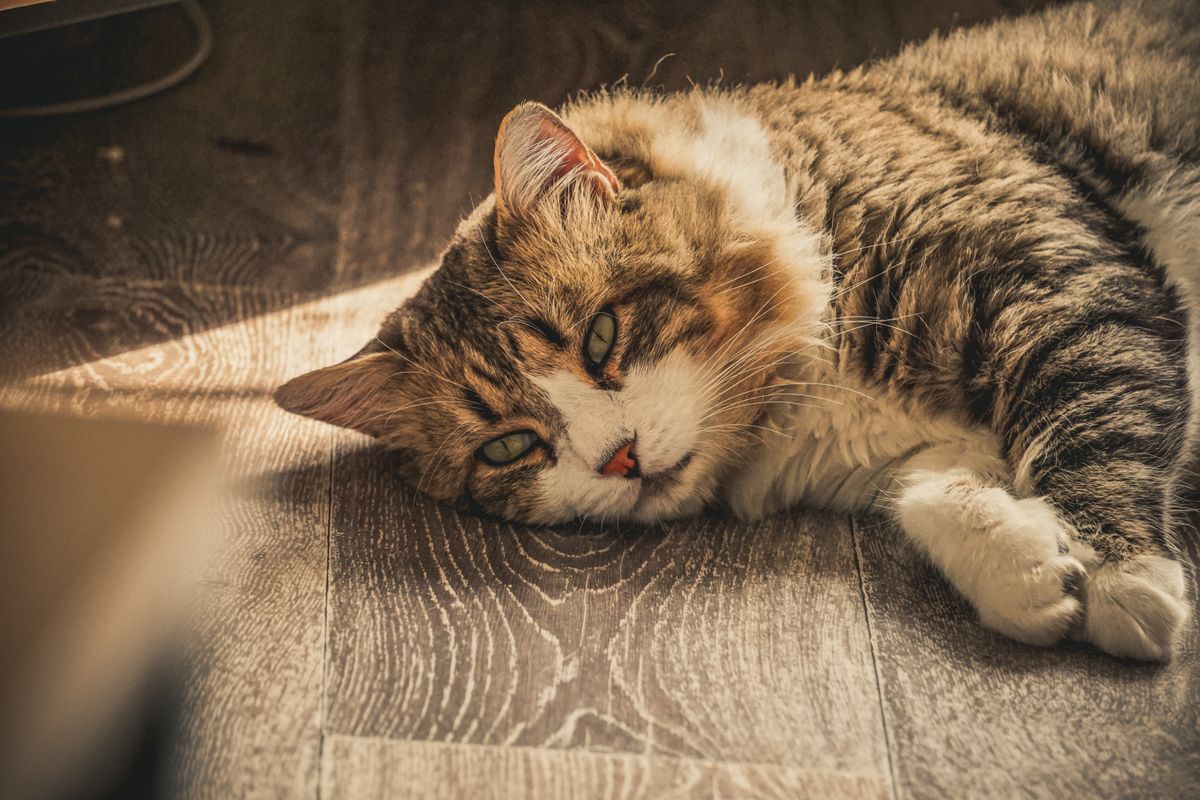
The short version: cholangitis is inflammation of the liver's bile ducts, and it looks like a cat who is vaguely unwell: eating less, losing weight, vomiting, sometimes yellow in the gums or eyes. The acute bacterial form can hit hard and fast with fever and belly pain, and needs prompt care. That yellow tint is jaundice, always a reason to see the vet. The chronic form smoulders for months. Because it often comes with pancreas and gut inflammation, working it up can take bloodwork, imaging, and sometimes a biopsy, but most cats respond to treatment.
What is cholangitis in cats?
At its simplest, VCA defines it by location: cholangitis is inflammation of the bile ducts, while Cholangiohepatitis is inflammation of the bile ducts, gallbladder, and surrounding liver tissue. The two so often occur together that vets treat them as one syndrome, and it is largely a feline problem: VCA treats them as one condition, Cholangitis/cholangiohepatitis syndrome (CCHS), and notes that CCHS is much more common in cats than dogs.
Why it matters is that the liver runs on bile. Cornell describes cholangiohepatitis as a term used to describe an inflammatory condition affecting the liver and biliary system of the cat, and calls it one of the most common causes of feline liver disease. A cat's bile duct inflammation and the liver damage around it go hand in hand: when the ducts that carry bile become inflamed and swollen, bile backs up and cannot do its job, and because bile is caustic, the backup itself damages liver tissue. Alongside fatty liver disease, it is one of the two liver conditions a cat owner is most likely to hear named.
The two types: neutrophilic and lymphocytic
Understanding the neutrophilic vs lymphocytic cholangitis split is the key to the whole disease, because the two behave very differently. The neutrophilic (also called suppurative) form is the acute one, and Cornell traces it to infection: the first is a bacterial infection which enters the gallbladder from the intestines via the common bile duct. Bacteria climb up from the gut, the immune system floods the area with neutrophils to fight them, and the result is a sudden, often severe illness. Cornell notes this form can occur in cats of any age, breed or sex, and more than 50% of cats diagnosed with this disease are found to have inflammation of the intestines and/or pancreas as well.
The lymphocytic (nonsuppurative) form is the slow one. Cornell describes it as another common form of this disease that tends to be more chronic and progressive than the neutrophilic form. Rather than an infection, it is thought to be immune-driven, and it smoulders for months, which makes it far harder to catch. The distinction is not academic: it changes the treatment, since the bacterial form calls for antibiotics and the immune form for medicines that calm the immune response.
Signs of cat liver inflammation
The hard truth about cat liver inflammation symptoms is that they are vague and easy to write off, and they differ by type. The acute, neutrophilic form announces itself. VCA says The signs of suppurative CCHS are more severe and sudden, listing a Painful abdomen, Fever, Anorexia (lack of appetite), Severe lethargy and Vomiting. A cat like this is clearly, suddenly sick.
The chronic, lymphocytic form is the sneak. VCA notes that The signs of non-suppurative CCHS are more ambiguous and chronic (ongoing), which can make the condition more challenging to diagnose, listing Periods of vague clinical illness, including lethargy, vomiting, anorexia, and weight loss. The one sign that should always raise the liver as a question is jaundice: VCA lists Jaundice (yellowish discoloration of the skin, eyes, gums, and mucous membranes) among the signs of the acute form. Yellow gums or a yellow cast to the whites of the eyes in a cat who is off her food, vomiting, or losing weight is a reason to see the vet without delay.
Triaditis: why the liver, pancreas, and gut go together
One of the most important things to know is that cholangitis rarely travels alone. VCA explains that Cats with cholangiohepatitis may also have pancreatitis and inflammatory bowel disease (IBD), and that The combination of these three conditions is called triaditis. The three sit close together and share plumbing, so inflammation in one tends to pull in the others.
The overlap is striking. VCA reports that Most cats with cholangiohepatitis also have inflammation of the duodenum or jejunum, which are parts of the small intestine, and that About half also have evidence of pancreatic disease. This is why a cat being worked up for liver trouble is often checked for pancreatitis and inflammatory bowel disease too, and why treating just one piece may not settle the whole picture. Triaditis in cats is not a separate disease so much as a recognition that these three so often arrive together.
How is cholangitis in cats diagnosed and treated?
Because the signs are shared with so many other illnesses, diagnosis is a process of building a picture: a physical exam, blood and urine tests that show liver values and rule out other causes, an abdominal ultrasound to look at the liver, bile ducts, pancreas, and gut, and often a liver biopsy, which is the step that finally separates the neutrophilic form from the lymphocytic one.
With cholangitis in cats, treatment follows the type and the severity. For a sick cat, VCA describes the first priority as stabilizing your cat and providing supportive care, such as intravenous fluids, nutritional support through a feeding tube, and medications, which may include antibiotics. Nutrition matters enormously here, because a cat who stops eating can develop fatty liver disease on top of the cholangitis, which is why vets are quick to support her appetite and feeding. From there, the neutrophilic form is treated with a course of antibiotics and usually responds well, while the lymphocytic form is managed longer term with medicines that dampen the immune response, along with liver-support supplements. Many cats do well, and the chronic form can often be controlled for a long time even when it cannot be cured.
Neutrophilic vs lymphocytic at a glance
Use this to follow a conversation with your vet, not to self-diagnose, since only tests can tell the two apart.
| Neutrophilic (suppurative) | Lymphocytic (nonsuppurative) | |
|---|---|---|
| Onset | Sudden, acute | Slow, chronic |
| Cause | Bacterial, from the gut | Immune-driven |
| Signs | Fever, belly pain, collapse, vomiting | Vague: weight loss, on-off vomiting, low energy |
| Main treatment | Antibiotics | Immune-calming medicines |
| Course | Often responds well | Managed long term |
Frequently asked questions
What is cholangiohepatitis in cats? It is inflammation of the bile ducts and the surrounding liver, and it is closely related to cholangitis, which is inflammation of the bile ducts alone. The two usually occur together and are treated as one syndrome. It is one of the most common liver diseases in cats and comes in an acute bacterial form and a chronic immune form.
What are the symptoms of liver inflammation in a cat? They are vague and easy to miss: reduced appetite, weight loss, vomiting, low energy, and sometimes fever. The most telling sign is jaundice, a yellow tint to the gums, skin, or the whites of the eyes. Any cat with yellow gums who is off her food should be seen promptly.
What is triaditis in cats? Triaditis is the combination of cholangiohepatitis, pancreatitis, and inflammatory bowel disease occurring together. The three organs sit close together and share ducts, so inflammation spreads between them. It is common: most cats with cholangiohepatitis also have gut inflammation, and about half have pancreatic changes too.
Is cholangitis in cats curable? Sometimes, and often manageable when not. The acute bacterial (neutrophilic) form frequently clears with a course of antibiotics. The chronic immune (lymphocytic) form is usually controlled rather than cured, with long-term medication, and many cats live well on it for years. Early treatment gives the best odds.
Is cholangitis painful for cats? The acute form can be, since VCA notes these cats often have painful abdomens and fever. The chronic form is less obviously painful and shows more as a cat who is quietly unwell. Either way, a cat who seems sick warrants a vet visit rather than waiting to see if it passes.
The bottom line
Cholangitis is a reminder that a cat who is simply off, eating less, dropping weight, maybe a little yellow in the gums, can have something specific and treatable behind it. The signs are quiet, but the disease is common and the treatment often works, so the vague picture is worth taking seriously rather than waiting out. Biscuit's trouble is her kidneys, not her liver, but if she ever turned vaguely sick with yellow gums and a fading appetite, I would want her liver checked and the pancreas and gut looked at with it, because in cats those three keep such close company. That, in the end, is the practical lesson of cholangitis in cats: quiet signs, a common cause, and a real chance to help when it is found.
Sources
- VCA Animal Hospitals, Cholangitis/Cholangiohepatitis Syndrome in Cats
- Cornell Feline Health Center, Cholangiohepatitis