
Dental Disease in Cats: The Hidden Pain in an Older Mouth
Dental disease affects 50 to 90% of cats over four, and most owners miss it. The hidden signs, why X-rays matter, and how to keep an older cat's mouth healthy.
Dental disease in cats is one of the most common problems they have, and one of the easiest to miss. Cornell puts the range at between 50 and 90% of cats older than four years of age. Yet most of us never notice, because a cat with a sore mouth does not complain. She chews a little more carefully, or drifts off her food, or develops a breath we shrug off as "just cat breath." The hardest part is that you often cannot see the worst of it, since the single most common cause of tooth loss in cats happens below the gumline and takes an X-ray to find.
This is a guide to what dental disease does and how it is treated. Whether your own cat has it, and how far along it is, is something only your vet can tell you, and often only under anesthetic.
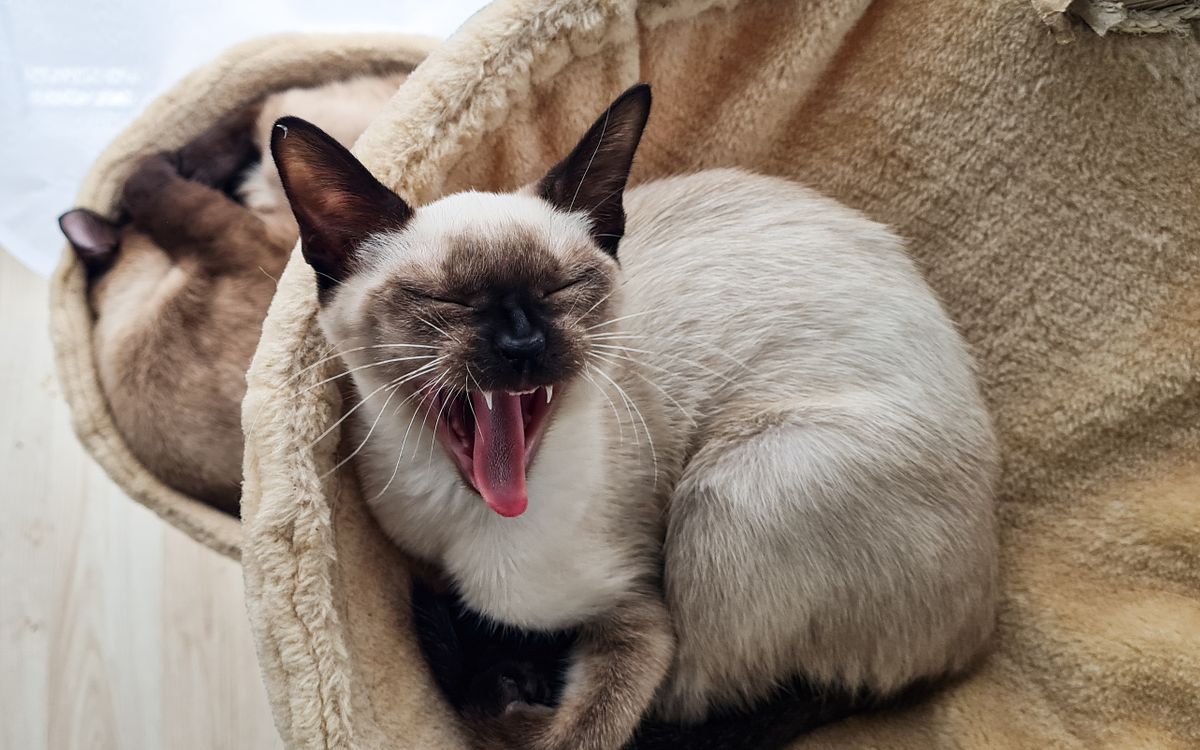
How common is dental disease in cats?
Very. Cornell's figure is between 50 and 90% of cats older than four, and VCA notes that more than half of all cats over the age of three have some form of dental disease. One condition in particular deserves its own mention: tooth resorption, where the tooth is slowly destroyed from within, is the most common cause of tooth loss in cats, and Cornell reports that between 30 and 70% of cats show some sign. It is painful, it is common, and it is nearly invisible from the outside.
The signs
A cat with a painful mouth tells you in small, deniable ways. Cornell lists cats that are hesitant to eat, that turn their heads unusually while eating, that may stop eating, drool, or develop bad breath, and a new preference for soft food. VCA adds pawing at the mouth, head shaking, or jaw chattering, and makes the point that matters most here: dental disease and oral pain may account for some cats' finicky appetites. If your cat has gone off her food or turned fussy, a sore tooth belongs on the list of reasons.
Why you cannot just look in her mouth
Two things make dental disease a job for the vet rather than the eye. The first is that cats are good at hiding oral pain, so a cat can be quite uncomfortable and still eat. The second is that the worst of it hides below the gumline, which is why VCA says a proper assessment needs complete, oral examinations under general anesthetic, with intraoral X-rays. A mouth that looks only a little tartar-stained on the surface can hold a resorbing tooth underneath.
What is actually going on in there
Dental disease is a progression more than a single thing. It usually begins as gingivitis, inflammation of the gums from plaque, which is still reversible. Left alone it can advance to periodontitis, where the damage to the tissue around the tooth becomes permanent. Alongside that runs tooth resorption, the cat-specific process above, and, in some cats, stomatitis, a severe and painful inflammation of the whole mouth.
What treatment involves
The core of it is a professional cleaning under anesthesia, with scaling, polishing, and the X-rays that reveal what the surface hides. VCA notes that professional cleaning may be required every 6-12 months for some cats. Teeth that are badly resorbed or diseased are usually removed, which sounds drastic and is often the kindest thing, since cats do remarkably well without a painful tooth and frequently seem brighter and hungrier afterward.
What you can do at home
The single best prevention is daily tooth brushing with a pet-safe toothpaste, which most cats will accept if you introduce it slowly and patiently. Beyond that, VCA points to dental diets and water additives approved by the Veterinary Oral Health Council, and there is no substitute for regular check-ups, since your vet can catch trouble long before you would. Mostly, watch how she eats. A cat who has started chewing on one side, dropping kibble, or leaving food she used to love is often telling you her mouth hurts.
When to see the vet
Book a visit if you notice bad breath, drooling, a change in how or what she eats, or any pawing at her mouth. None of it is an emergency in the way a blocked bladder is, but dental pain is a steady, wearing kind of pain, and it is one of the more fixable ones.
I did not take bad breath seriously for a long time, filing it under things cats simply have. I was wrong. Dental disease in cats hides like that: more often than not, bad breath is the first and only hint of a mouth that hurts, and a cat whose sore teeth are finally dealt with tends to come back to her food, and to herself, in a way that surprises everyone who was sure she was just getting old.
Sources
- Cornell Feline Health Center, Feline Dental Disease
- VCA Animal Hospitals, Dental Disease in Cats