
Senior Cat Dental Care at Home: Brushing and What Actually Works
Senior cat dental care starts with brushing, but most cats resist. How to brush her teeth, what to do if she won't, and which dental products actually work.
Senior cat dental care comes down to one thing done well: keeping plaque off her teeth before it hardens into tartar and does damage. The most effective way to do that at home is brushing, ideally daily and at least a few times a week, though most cats have opinions about it. In practice: brush if she will let you, use products with real evidence behind them if she will not, and treat all of it as prevention rather than a replacement for your vet.
This is general guidance, not a treatment plan for your particular cat, whose mouth your vet should look at, especially if it has been a while.
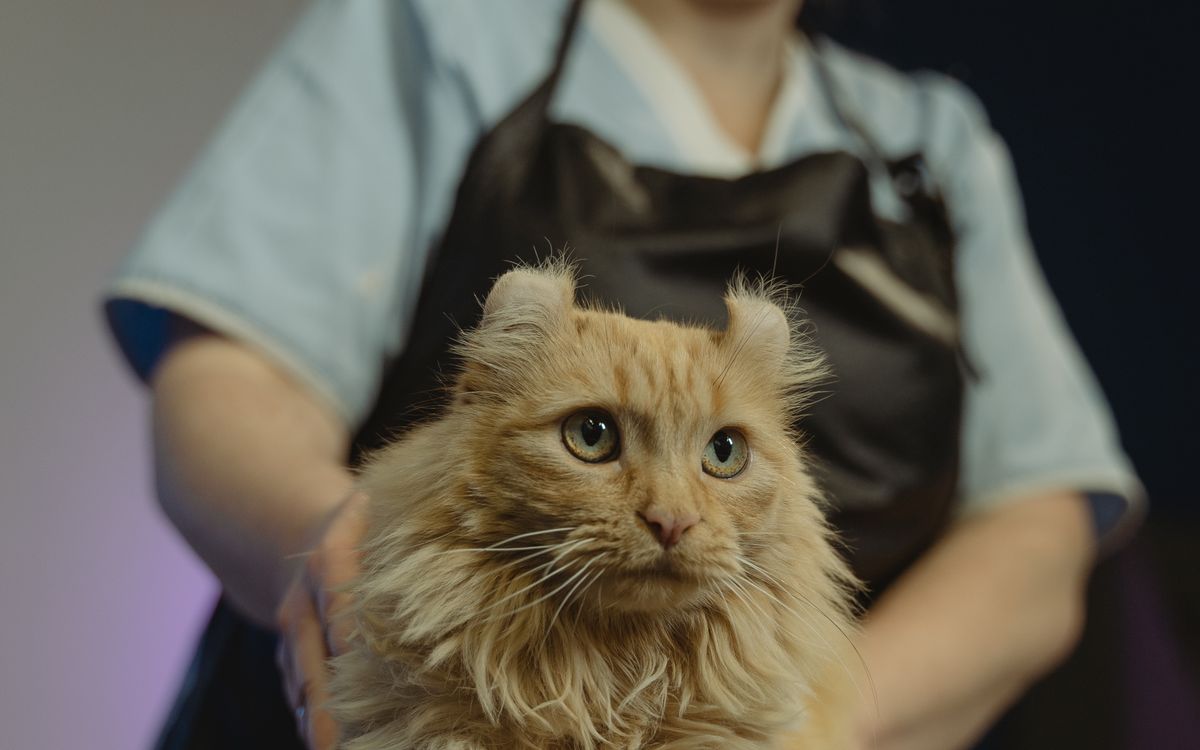
The short version: brushing is the gold standard, at least three times a week. Never use human toothpaste. Have an old cat's mouth checked before you start, since it may already need professional attention. If she will not tolerate brushing, use products carrying the VOHC seal, the one mark that means a dental product is proven. And none of it replaces a veterinary cleaning.
Why dental care matters for a senior cat
Because by her age, the odds are not in her favor. Dental disease is one of the most common problems in cats: Cornell puts it at between 50 and 90% of cats older than four years of age. Years of plaque and tartar add up, and dental disease is both painful and easy to miss, since a cat with a sore mouth rarely makes a fuss about it. Home care is how you slow that accumulation between vet visits, and a turn for the worse in her breath is often the first sign that it is getting ahead of you.
How to brush a senior cat's teeth
Brushing is the most effective home care there is, and the trick with an old cat is to go slowly and make it pleasant. A few rules matter:
- Use cat toothpaste, never human toothpaste. VCA is direct that human toothpastes contain ingredients that should not be swallowed, and cats swallow all of it. Pet toothpaste comes in flavors that are appetizing to cats, which does half the work of winning her over.
- Introduce it over weeks, not minutes. Let her lick the toothpaste off your finger, then off a soft brush or a gauze-wrapped fingertip, before you ever try to brush. VCA's own advice is to gradually work up to brushing all the teeth (this will probably take several days or weeks).
- Aim for the right teeth. You do not need a full scrub. VCA suggests you concentrate on brushing the large cheek teeth and the canine teeth at first, which are where plaque builds fastest, and work along the gumline where it collects.
- Be consistent, not perfect. Daily is ideal, but VCA notes that brushing three times a week is the minimum recommendation to help remove plaque and prevent tartar accumulation. A gentle few times a week beats a thorough scrub she comes to dread.
One senior-specific caveat: if her mouth is already sore, brushing will hurt and she will fight it, and no amount of technique fixes that. Have her mouth checked first, so you are brushing healthy-ish teeth rather than scrubbing a problem that needs the vet.
What if she won't let you brush?
Plenty of older cats simply will not accept it, and forcing the issue only teaches her to run when she sees the brush. If that is your cat, do not feel you have failed. Push gently and briefly, back off before she panics, and if brushing is genuinely off the table, move to the proven alternatives below rather than giving up on dental care altogether. Something consistent that she tolerates is worth more than a perfect routine that ends in a standoff twice a week.
Do dental treats and diets actually work?
Some do, and most of the marketing does not tell you which. It is worth getting this right, because the shelves are full of treats, kibbles, and water additives promising clean teeth, and only a fraction have been tested. The shortcut is a single mark: the seal from the Veterinary Oral Health Council. The VOHC reviews products against a real standard, and as it explains, when a product demonstrates dental efficacy, the VOHC Seal of Acceptance is awarded, and the seal can be for plaque, calculus, or both. Its own summary of the payoff is plain: regular use of products awarded the VOHC seal of acceptance will reduce the severity of periodontal disease in pets.
So the practical rule is to look past the claims on the front of the bag and check for the VOHC seal, or look the product up on the council's accepted list. A VOHC-accepted dental diet, treat, or water additive is a genuinely useful backup for a cat who will not be brushed. A dental treat without that backing is, more often than not, just a treat.
Home care does not replace the vet
Everything above is prevention, and prevention has limits. Brushing and VOHC products slow plaque, but they cannot remove tartar already cemented to the teeth or reach the disease that hides below the gumline, which is where the worst of it happens. That takes a professional cleaning under anesthesia, the kind covered in the guide to dental disease, and it is worth booking when your vet recommends it rather than waiting. Home care is what stretches the time between those cleanings and keeps her comfortable in between. Her regular check-up is where the two meet: a look in her mouth every visit catches trouble while it is still small.
Frequently asked questions
Cat toothpaste vs human toothpaste: can I use human toothpaste on my cat? No. VCA is clear that human toothpastes contain ingredients that should not be swallowed, and a cat swallows everything you put in her mouth. Use a toothpaste made for cats, which is both safe and flavored to be appetizing to cats.
How often should I brush my cat's teeth? Daily is the goal, but VCA notes that brushing three times a week is the minimum recommendation to help remove plaque and prevent tartar accumulation. Consistency matters more than a perfect technique, so a gentle routine she accepts beats an occasional deep clean.
Do dental treats really work for cats? Some do, most are unproven. Look for the Veterinary Oral Health Council seal: the VOHC awards its Seal of Acceptance only to products shown to reduce plaque or tartar. A treat without that seal is mostly a snack, not dental care.
My cat won't let me brush her teeth. What now? Do not force it. Introduce the brush slowly over weeks, and if she still refuses, switch to VOHC-accepted dental diets, treats, or water additives, and lean harder on regular veterinary cleanings. A tolerated alternative beats a battle.
What are VOHC accepted products for cats? The Veterinary Oral Health Council. It reviews pet dental products for effective plaque and tartar control and awards a seal to the ones that pass, so its accepted-products list is the most reliable way to tell a proven product from a marketing claim.
The bottom line
Good dental care for an old cat is less about doing it perfectly than about doing something, steadily, and knowing what actually helps. Brush if she lets you, reach for the VOHC seal if she does not, and keep her vet in the loop for the cleanings home care cannot do. Biscuit, for the record, does not accept a toothbrush and never has. What she allows is a dab of poultry-flavored paste off my finger along her side teeth most evenings, which is a fraction of a real brushing, and a good deal more than nothing. At sixteen, that small, undignified compromise is what senior cat dental care looks like in our house, and her vet tells me it shows.
Sources
- VCA Animal Hospitals, Brushing Your Cat's Teeth
- Veterinary Oral Health Council, VOHC
- Cornell Feline Health Center, Feline Dental Disease