
Senior Cat Bad Breath: What It Means and When to Worry
Senior cat bad breath is rarely just old age. Usually it is dental disease, but it can signal kidney disease or diabetes. What each means and when to act.
Senior cat bad breath is one of those things that is easy to file under getting old, and almost never should be. A healthy cat's breath is fairly neutral, so if you are wondering why your senior cat might have bad breath, a mouth that has started to smell is usually reporting a problem, most often in her teeth and gums, and sometimes further in. The common cause is treatable, and the less common causes are exactly the kind of thing you want caught early. Either way, a smell worth noticing is a smell worth mentioning to your vet.
This is a guide to what her breath may be telling you, not a diagnosis of your particular cat, which belongs to a vet and a look inside her mouth.
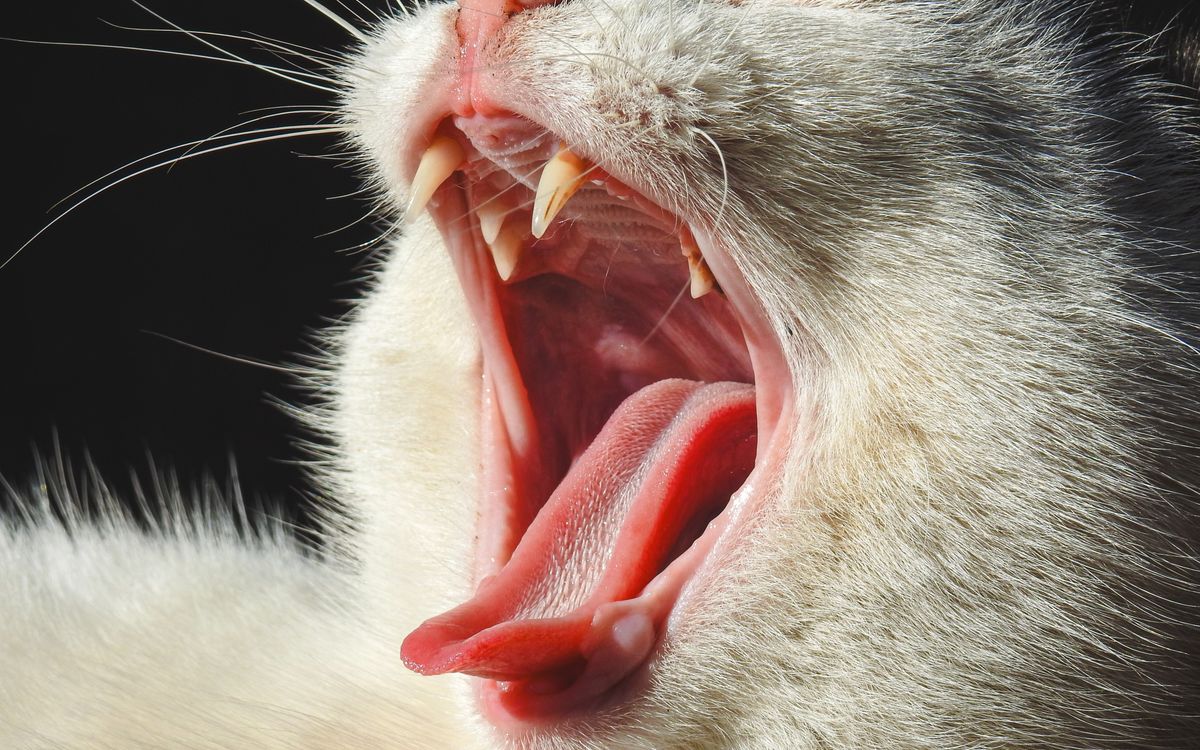
The short version: the most common cause of bad breath is dental disease. A sweet or fruity smell can point to diabetes. Mouth sores from kidney disease can cause it too. Bad breath is not normal, and a sudden change, especially with a fading appetite, is worth a same-day call.
Is bad breath normal in an older cat?
No, and that is the first thing worth being clear about. It is common, but common is not the same as normal. PetMD puts it directly: while mild mouth odor can occasionally occur, strong or persistent bad breath is not normal and usually indicates an underlying problem. Old age does not make a cat's breath turn, so treating a new or worsening smell as a signal rather than a quirk of aging is the right instinct.
The most common cause: dental disease
Nine times out of ten, the answer is in her mouth. VCA is plain about it: the most common cause of halitosis in cats is periodontal disease caused from plaque and tartar build-up. Plaque hardens into tartar, works its way under the gum line, and the bacteria there produce both the smell and the slow damage. PetMD describes the same chain: the most common cause of bad breath in cats is tartar buildup and the periodontal disease that follows when it gets underneath the gum line. The everyday defense is home dental care, which slows that buildup between veterinary cleanings.
This matters more in an old cat because years of it add up, and dental disease is one of the most common and most painful conditions of a senior cat's life. A sore mouth is also a quiet reason a cat goes off her food: she is hungry, approaches the bowl, then backs away because chewing hurts. So bad breath plus a cat picking at her meals points hard at her teeth.
When bad breath points to something deeper
Sometimes the smell is a signal from the rest of the body. PetMD notes that bad breath, though usually dental, can also be a sign of underlying conditions such as kidney disease or diabetes, the two most common serious illnesses of old age. Both can show up partly in the mouth.
With advanced kidney disease, toxins the failing kidneys can no longer clear build up and irritate the mouth. The Merck Veterinary Manual lists sores in the mouth among the signs of chronic kidney disease, and PetMD refers to uremic ulcers from kidney disease. Those sores are painful and they smell, which is why a kidney cat's breath often changes as the disease advances.
Diabetes leaves a different and more specific trace. When it is out of control, the body starts burning fat and producing ketones, and PetMD describes the result: uncontrolled diabetes, which can create compounds called ketones that cause a sickly-sweet smelling breath. A sweet or fruity smell on a cat's breath is worth taking seriously, especially alongside heavy drinking and weight loss, since it can point to diabetes and, in its dangerous form, to a crisis.
Can you tell the illness from the smell?
A little, but not enough to skip the vet. The one fairly specific clue is the sweet, fruity smell of uncontrolled diabetes, which is distinct enough that it is worth acting on. A heavy, rotten, or tartar-like smell usually means dental disease. Owners often describe the breath of a cat in kidney failure as ammonia-like or urine-like, and while that smell is a reasonable reason to worry about her kidneys, the odor itself is not a diagnosis: mouth sores, kidney values, and blood sugar are confirmed by your vet's examination and bloodwork, not by scent. Use the smell as a reason to go, not as the answer.
When to see the vet
Book a visit for any breath that has turned bad or is getting worse, since even the routine cause, dental disease, needs professional treatment and only gets more painful left alone. Go the same day if the bad breath comes with a fading appetite, drooling, weight loss, increased thirst, vomiting, or low energy, and treat a sweet, fruity smell with any of those as an urgent matter. As PetMD puts it, if your cat's breath stinks, it may be a sign that they have dental disease or another medical condition that needs to be checked out. It is also worth a mention at her regular check-up, where a look in her mouth is part of the visit anyway.
Frequently asked questions
Is bad breath normal in cats? No. PetMD notes that strong or persistent bad breath is not normal and usually indicates an underlying problem. Mild, occasional mouth odor can happen, but a breath that has clearly turned or is getting worse is a reason to have her checked, not to write off as age.
My old cat has bad breath and is not eating: what does it mean? Most often, dental disease. VCA calls periodontal disease caused from plaque and tartar build-up the most common cause. Less often, bad breath can be a sign of kidney disease or diabetes, so persistent odor deserves a vet's look at both her mouth and her bloodwork.
What does it mean if my cat's breath smells like ammonia or urine? It is a reason to have her kidneys checked. Advanced kidney disease can cause painful mouth sores, which the Merck Veterinary Manual lists among its signs, and owners often describe the accompanying breath as ammonia-like. The smell is a prompt to see your vet, who confirms kidney disease with blood and urine tests rather than by odor. Ammonia on her breath and ammonia coming off the litter box are unrelated problems with unrelated causes, and the breath is the one that carries more weight.
What does it mean if my cat's breath smells sweet? A sweet or fruity smell can point to diabetes. PetMD explains that Uncontrolled diabetes, which can create compounds called ketones that cause a sickly-sweet smelling breath. Paired with heavy drinking, weight loss, or lethargy, it is an urgent reason to see a vet, since it can signal a diabetic crisis.
Can bad breath mean my cat is in pain? Often, yes. The dental disease behind most bad breath is genuinely painful, and a cat who has bad breath and is eating less, drooling, dropping food, or pawing at her mouth is likely sore. That combination is worth a prompt visit.
The bottom line
Senior cat bad breath is one of the easiest signals to keep half an eye on, and one of the more honest. Most of the time a turn for the worse means her teeth need attention, reason enough to go. Now and then it is the first hint of something in her kidneys or her blood sugar, caught because you noticed a smell. Biscuit gets a quick, undignified sniff most days when she yawns in my face. With her kidneys already tired, a change in her breath is one more small thing I would rather catch this week than next.
Sources
- VCA Animal Hospitals, Halitosis in Cats
- PetMD, Bad Breath in Cats
- Merck Veterinary Manual, Noninfectious Diseases of the Urinary System of Cats