
How to Reduce Vet Visit Stress for a Senior Cat
Reduce vet visit stress for a senior cat: turn the carrier into a safe space, use familiar scents and pheromones, and time the trip right.
The cruel irony of an old cat is that she needs the vet more than ever, and hates going more than ever. To reduce vet visit stress for a senior cat you mostly have to solve the part that happens before the clinic: the carrier she has learned to fear and the car ride she has learned to dread. Get those right, and how to take a senior cat to the vet stops being a twice-postponed battle. Most of the fix is patient and cheap, and a fair bit of it can be done from the sofa.
This is practical guidance, not veterinary advice. If your cat is severely distressed by travel, that is worth a conversation with your vet.
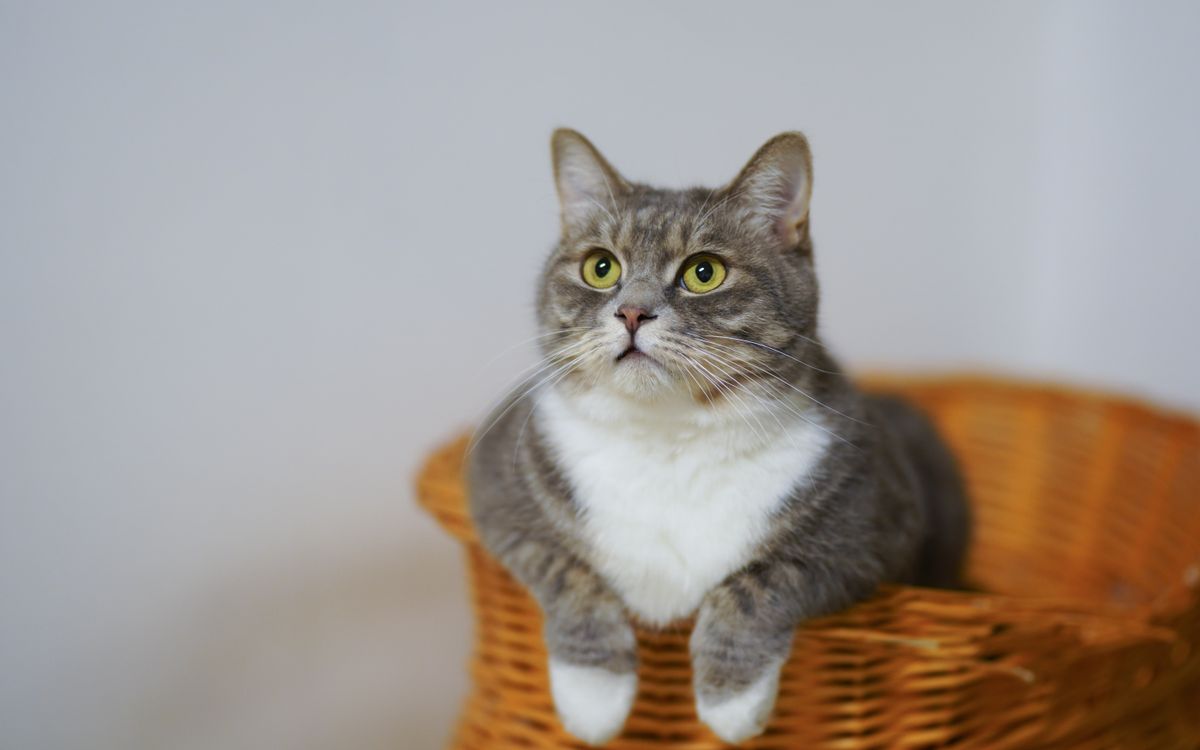
The short version: leave the carrier out as a bed or feeding spot, not hidden until vet day. Teach her to go in for treats. Add a familiar-smelling blanket or an old shirt of yours. Use a pheromone spray before you travel, and book a quiet appointment time. For a stiff old cat, choose a carrier that opens from the top so you are not posting her through a small door.
Why vet visits are extra hard on a senior cat
Two things pull in opposite directions as a cat ages. She needs more frequent care, since the quiet diseases of old age are caught at regular check-ups, and she is also less able to cope with the trip. Sore joints make a rigid carrier and a swaying car genuinely uncomfortable, a fading mind makes any change more frightening, and years of unpleasant vet trips have taught her exactly what the carrier means. So the stress is not her being difficult. It is the sum of real discomfort and learned dread, and both are things you can chip away at.
Turn the carrier from enemy to safe space
The single biggest change is to stop letting the carrier be a warning sign. Most cats only see it minutes before a dreaded trip, so it comes to mean exactly one thing. VCA's advice flips that: instead of storing the carrier in the garage or basement, only bringing it out when a trip to the veterinarian is imminent, always keep the carrier available near one of your favorite resting or play places.
Left out, it can quietly become hers. VCA suggests making it useful by putting a favored bed inside, or placing her food and water dishes in the carrier, or simply using it as the spot where treats appear. From there, a little positive reinforcement does the rest: as VCA notes, if your cat enjoys treats, you can easily teach your cat to enter the carrier when asked. Toss a treat in, let her walk out again, and repeat over days and weeks with no trip attached. The aim is a cat who thinks of the carrier as a bed, not a trap.
The day of the trip: familiar smells and calm
On travel day, lean on scent, which matters more to a cat than we tend to remember. If you have not had time to build up the good associations, VCA suggests you place a familiar blanket, towel, or even an old item of your clothing into the carrier, so she is surrounded by home rather than by nothing. Covering the carrier with a light towel in the car helps too, since a cat who cannot see the world rushing past is often a calmer passenger.
Synthetic pheromones can take the edge off the car ride. VCA notes that synthetic pheromones, such as Feliway Optimum may comfort your cat during the car ride: lightly spritz the blanket 15 to 30 minutes before you leave, not with her already inside. It is not magic, but for many cats it quietly lowers the temperature of the whole trip, and there is an honest look at it among the calming products worth trying.
At the clinic, and before you go
A little planning at the booking stage pays off. VCA suggests you schedule your appointment for a time when the clinic is usually quiet, which usually means avoiding the after-work rush and, where you can, a practice or waiting area that keeps cats away from barking dogs. If your cat is one of the truly terrified ones, do not white-knuckle it: ask your vet about a mild calming medication given before the visit, which is safe and routine for many cats and can turn an ordeal into a manageable errand. It is one more thing to raise when you keep her vaccinations and wellness care on track.
Making it easier on stiff old joints
The carrier that suited her at three may fight her at sixteen. A stiff, arthritic cat struggles to be posted through a small front door and to crouch inside a low box, so a hard-sided carrier that unclips and opens from the top is far kinder: you lower her in and lift her out instead of pushing and pulling. Line it with something soft and supportive for the bony parts, and if she has arthritis, think of the carrier as one more piece of her comfortable, accessible home rather than a separate ordeal. Small changes to the box itself remove a surprising amount of the struggle.
Frequently asked questions
How do I get my cat into the carrier without a fight? Stop making the carrier a surprise. VCA recommends you always keep the carrier available near one of your favorite resting or play places so it becomes ordinary, then use treats to teach your cat to enter the carrier when asked. Forcing her in only deepens the fear for next time.
How long does carrier training take? Days to weeks, at her pace. Leave the carrier out as a bed or feeding spot, reward her for going near and then inside, and never rush her out the door mid-training. Slow and pleasant beats fast and frightening every time.
Does Feliway help for vet visits? It can help some cats travel more calmly. VCA notes that synthetic pheromones, such as Feliway Optimum may comfort your cat during the car ride. Spritz the carrier blanket 15 to 30 minutes before leaving. It is a mild aid, not a cure, and works best alongside carrier training.
My cat is stressed at the vet: can she have calming medication? Often, yes. For a genuinely terrified cat, ask your vet about a calming medication given before the appointment. It is commonly used and can make a stressful visit far easier, so it is worth raising rather than skipping care.
How can I make vet trips easier for an old cat with arthritis? Choose a hard carrier that opens from the top so you can lower her in rather than push her through a door, pad it well, and keep the trip short and covered. Easing the physical side matters as much as the emotional one for a sore, older cat.
The bottom line
Do the quiet work ahead of time, the carrier left out, the treats, the familiar blanket, and the trip stops being a crisis you dread on her behalf. Biscuit rides to her kidney rechecks in a top-opening carrier that lives, most of the year, as a perfectly good cat bed by the radiator. She still grumbles in the car, but she walks into the carrier on her own, which has turned her frequent vet days from a house-wide chase into something we both just get through. That, in the end, is what reducing vet visit stress for a senior cat comes down to: quiet preparation that removes the reasons to put off the check-up a treatable problem is waiting behind.
Sources
- VCA Animal Hospitals, Reducing the Stress of Veterinary Visits for Cats