
Why Is My Senior Cat Suddenly Clingy?
A senior cat who becomes suddenly clingy is often in pain, losing her senses, or growing confused. Why old cats get needy, and when clinginess is a red flag.
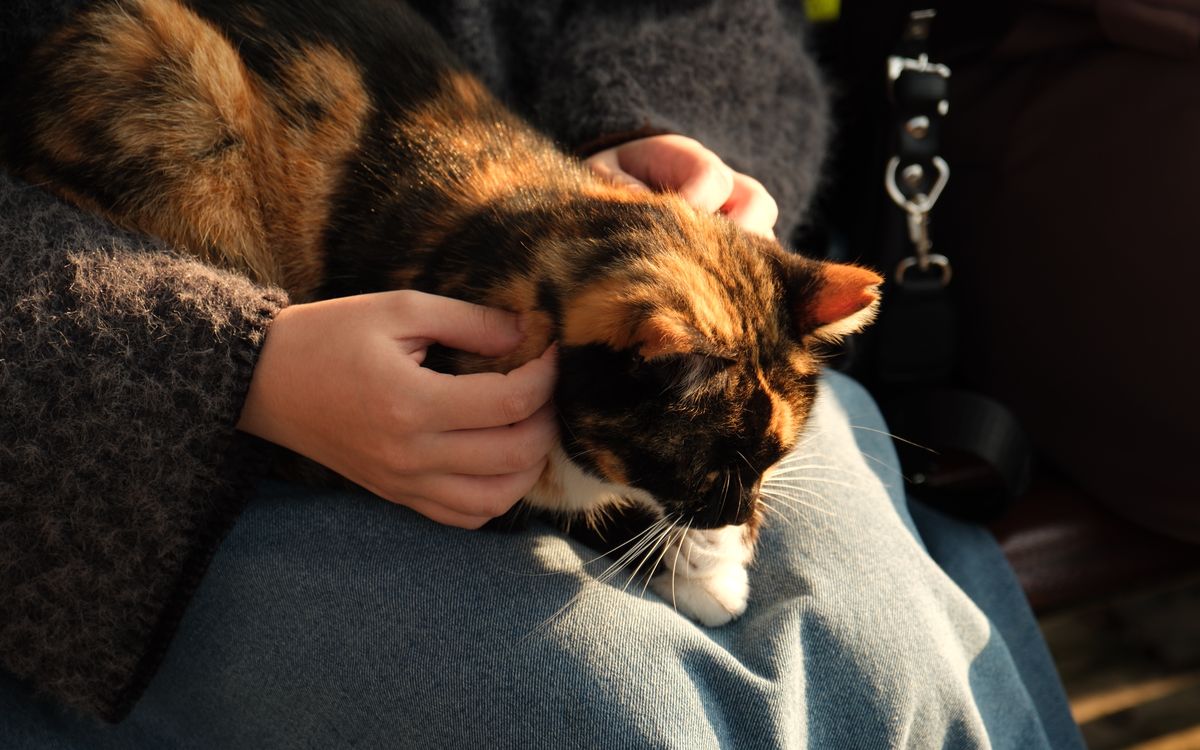
A senior cat suddenly clingy can mean two very different things. There is a version of a clingy cat that is pure sweetness: the old girl who wants to sleep on your chest and follow you room to room. But when a cat who was always independent turns suddenly needy, shadowing you, crying when you leave, pressing herself against you, it is worth a second look, because "why is my old cat following me?" often has a real answer. In a senior cat, a new clinginess is often less about extra love than about something that has changed, one of the behavior shifts that come with age, and a few of the causes are worth catching early.
This is about what a change might mean, not a diagnosis of your particular cat. An old cat who has turned needy and velcro-clingy is a cat worth a vet's once-over, for reasons that follow.
Is a clingy old cat normal?
Some of it is. A cat who has always been affectionate and simply gets a little more so with age is usually fine. What deserves attention is a change: an aloof cat becoming a shadow, or a cat whose neediness arrives alongside other shifts, like hiding at other times, crying, or eating less. The ASPCA lists among the behavior changes of aging a cat who needs constant contact, becomes overdependent and clingy, and files it, tellingly, under things to have a vet check.
Pain and feeling unwell
The most overlooked reason a senior cat gets clingy is that she does not feel right. A cat in low-grade pain or quietly ill often seeks more comfort and reassurance, staying close to the person who makes her feel safe. Because cats are experts at hiding signs of pain, this bid for closeness may be one of the few outward signs you get. Sore joints from arthritis, a nagging illness, or simple anxiety about a body that is not working as it did can all pull a cat toward her person.
Fading sight and hearing
A cat who cannot see or hear as well as she used to sticks close to what she trusts, and that is often you. When the world grows dim and quiet, your presence becomes a fixed point she navigates by. If your cat's new clinginess comes with bumping into things, not reacting to sounds, or startling when touched, her failing senses may be why she wants you within reach.
A changing mind
Cognitive dysfunction, the feline dementia, changes how a cat relates to her people. VCA's entry for cats is that Cats may be more demanding, avoidant, or aggressive. A confused cat may cling because the familiar has become uncertain, and you are the one thing that still makes sense. Clinginess that comes with disorientation, night-waking, or a cat who seems lost in her own home points toward cognitive change.
What to do about a clingy senior cat
Enjoy the closeness, and also take it seriously. Book a vet visit to rule out pain and illness, especially if the clinginess is new or comes with any other change, and mention exactly when it started and what else you have noticed. At home, meet her where she is: keep her routine steady, give her a warm safe spot near where you sit, and do not push her away, since a cat seeking comfort is usually asking for it for a reason. A check-up is how you tell the sweet kind of clingy from the kind that is trying to tell you something.
Biscuit has taken, in her sixteenth year, to sleeping pressed against my leg every night, where she once preferred the far end of the bed. I had her checked, because that is the rule, and her bloodwork was steady. So I have let myself simply take it as it looks: an old cat who has decided, after all this time, that she would rather be close. Not every change is a warning. But you only know which is which by asking. A senior cat suddenly clingy is worth that question, because the sweetness and the symptom can look exactly alike.
Sources
- ASPCA, Older Cats with Behavior Problems
- VCA Animal Hospitals, Behavior Changes and Pain in Aging Cats
- VCA Animal Hospitals, Senior Pet Cognitive Dysfunction