
Senior Cat Behavior Changes: Normal Aging or a Warning Sign?
When a senior cat's behavior changes, it is often the first sign of pain or illness. How to tell ordinary aging from a red flag, and why the vet comes first.
Senior cat behavior changes deserve a close read. You know your cat's habits better than anyone, which is exactly why it lands when an old cat starts acting different, not quite herself. She turns clingy, or grumpy, or takes to hiding, seems withdrawn and low, stops playing, meows more, or sleeps through the days she used to spend at the window. It is tempting to file these under getting old and leave them there. But a cat is a stoic animal, and a change in her behavior is very often the first, and sometimes the only, sign that something hurts or is wrong. Reading these senior cat personality changes is how to tell the ordinary drift of age from a signal worth acting on.
This is a guide to thinking about behavior changes, not a diagnosis. Whatever your cat has started doing, the reliable next step is a vet who can examine her, which is the theme this whole subject keeps returning to.
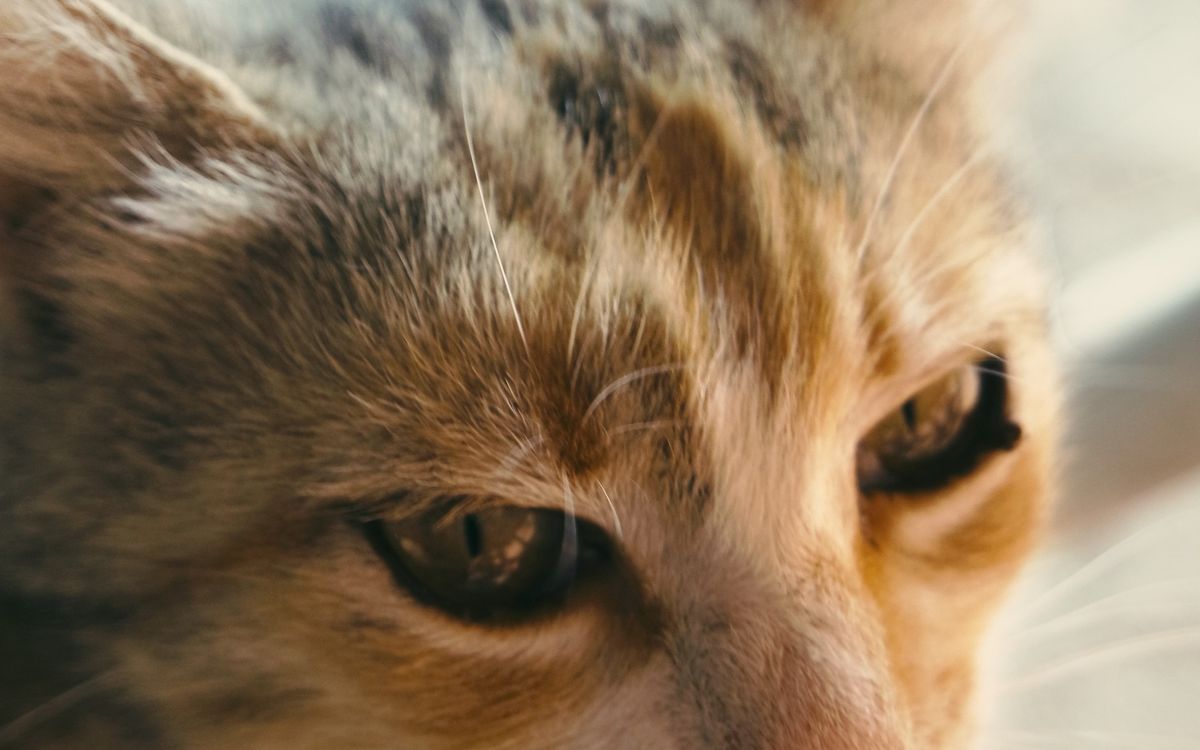
The one rule that matters: a behavior change means a vet visit
If you take away one thing, let it be this. When an old cat's behavior shifts, the first move is not to correct it or wait it out, but to rule out a medical cause. The ASPCA is unambiguous that the first move is to take her to the veterinarian to determine whether there is a specific medical cause for her behavior. The reason is that cats are built to conceal weakness. As VCA puts it, cats are experts at hiding signs of pain, so by the time a cat's behavior has changed enough for you to notice, something has usually been going on for a while.
Pain is the most common hidden cause
The single likeliest reason a senior cat starts behaving differently is that she is sore. Arthritis is almost universal in old cats: VCA notes that osteoarthritis is one of the most common painful conditions in cats, affecting more than 90% of cats 10 years of age and older. And pain rarely announces itself as a limp. It shows up as behavior. VCA's list of pain signs reads like a catalog of the changes owners puzzle over: loss of interest in toys, catnip, or animals outside, becoming aggressive when people try to pet them, hiding under the bed when guests visit, a reluctance to be picked up or petted on the back, and urinary or fecal accidents. The cause is often arthritis or a painful mouth, both treatable, and both easy to miss until you know to look.
The aging brain: cognitive dysfunction
The other big driver is the feline version of dementia. Vets have a separate acronym for the feline version, and it is worth using the right one: VCA notes that The acronym VISHDAAL is used to remember the common signs of cognitive dysfunction syndrome in cats, covering vocalization, social interactions, the sleep-wake cycle, house soiling, disorientation, activity level, anxiety and learning. On the social side, VCA's cat entry is that Cats may be more demanding, avoidant, or aggressive, which is why so many behavior shifts trace back to cognitive dysfunction. It is a diagnosis of exclusion, though, which loops back to the rule: rule out pain and illness first.
The common behavior changes, and where each points
Most of what owners notice falls into a handful of patterns, each with its own likely causes:
- Suddenly clingy. Often pain, fading senses, or cognitive change. More in why a senior cat turns clingy.
- Grumpy or aggressive. Usually pain or a shrinking tolerance. More in senior cat aggression.
- Hiding or withdrawn. Frequently illness or pain. More in a senior cat who hides.
- Sleeping much more. Partly normal, sometimes not. More in is my senior cat sleeping too much.
- Crying at night. Its own tangle of causes, covered in night-time crying.
- Lost, or startling easily. Point to the aging brain or to failing sight and hearing.
When to see the vet
Book a visit for any new or worsening change in how your cat acts, and go sooner rather than later if it came on suddenly. This is also the strongest case for the regular check-ups that catch the quiet diseases behind a change in behavior before they have done much harm. As VCA reminds us, cat owners must be observant to recognize when their cat needs help. You are the observer she has.
Biscuit is not the cat she was at five, and some of that is simply age settling in. But I have learned to treat a genuine shift in her, the kind that stands out from the slow softening of age, as a question rather than a quirk. Most turn out to be small. Senior cat behavior changes are how they tell you. The one that mattered most, the year her kidneys began to fail, showed itself first as a cat who had gone a little quiet, and I have been glad ever since that I asked.
Sources
- ASPCA, Older Cats with Behavior Problems
- VCA Animal Hospitals, Behavior Changes and Pain in Aging Cats
- VCA Animal Hospitals, Senior Pet Cognitive Dysfunction