
Senior Cat Aggression: Why a Gentle Cat Turns Grumpy
When a gentle old cat turns aggressive or grumpy, it is usually pain, not temper. Why senior cat aggression happens, what is behind it, and how to help her.
Senior cat aggression is unsettling: when a once-gentle cat starts hissing, swatting, or biting, especially over things a former lap-warmer used to accept without a thought: being picked up, brushed, or touched on the back. It is easy to read as a soured temperament. Almost always, it is something kinder and more fixable than that. A gentle old cat who turns grumpy is usually not being mean. She hurts, or she cannot cope with as much as she once did, and the aggression is how she says so.
This explains why an old cat suddenly turns aggressive and what to do about it, though it is not a diagnosis of your own cat. New aggression is one of the behavior changes that come with age, and because it so often has a medical root, a vet visit is the first step, not obedience training.
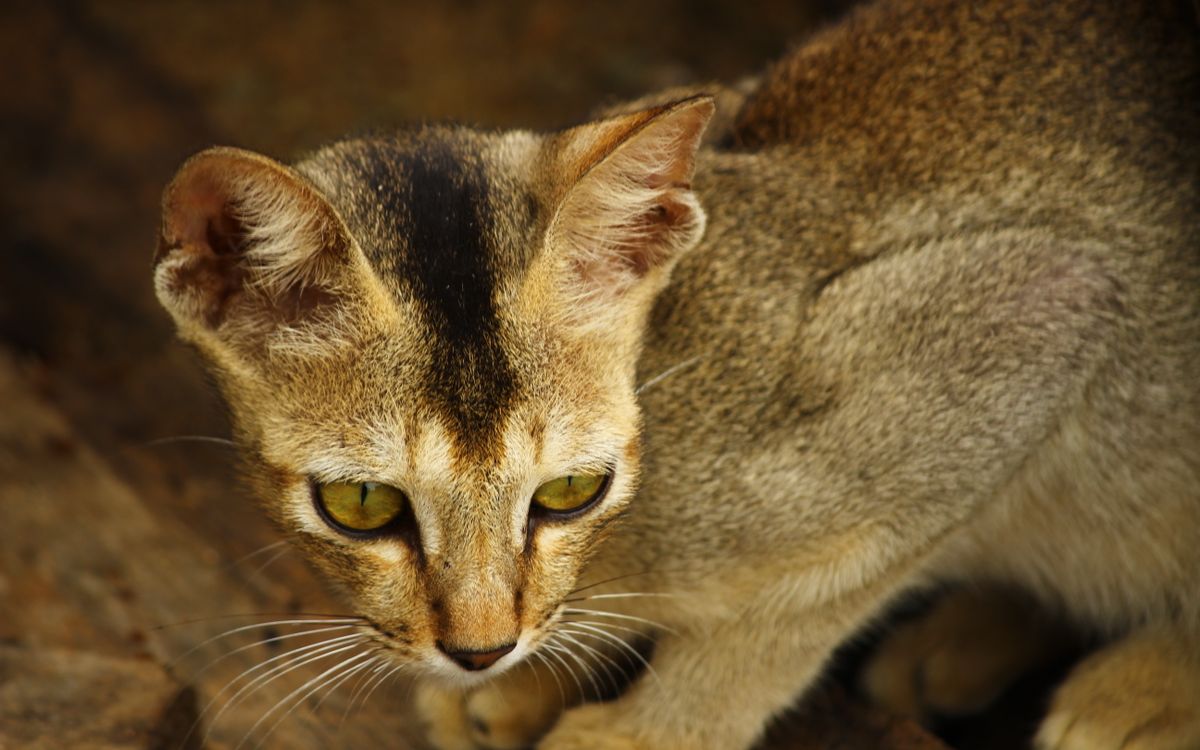
New aggression is usually pain
The most common reason a mellow old cat turns aggressive is that something hurts. Arthritis alone affects more than 90% of cats 10 years of age and older, and a cat in pain protects the parts that hurt. VCA lists becoming aggressive when people try to pet them and a reluctance to be picked up or petted on the back squarely among the signs of pain in aging cats. The logic is plain once you see it: the ASPCA notes that pain can drive increased aggression, because your cat may choose to threaten and bite rather than move away, which is exactly what a stiff, sore cat would do. Sore joints from arthritis and a painful mouth are the usual culprits, and both can be treated.
A shrinking tolerance
Even without sharp pain, old cats simply cope with less. A cat whose body aches, whose senses have dimmed, and whose patience has thinned is quicker to reach the end of her rope. The ASPCA describes the aging cat who behaves more irritably in general. Handling she once tolerated, a child's grab, another pet crowding her, being lifted mid-nap, may now tip straight into a warning. It is not spite. It is a smaller margin.
Startled by a world she cannot track
A cat who cannot see or hear you coming is a cat who gets ambushed, and a startled cat lashes out. Aggression that happens when you approach from behind or touch a cat who did not notice you often traces back to failing sight and hearing rather than any change of heart. The same goes for the confusion of cognitive dysfunction, which VCA links to irritability when approached.
How to help an aggressive or grumpy old cat
Start with the vet, because treating the pain underneath usually softens the temper on top of it. While you sort that out, make her world less provoking: approach where she can see you and announce yourself so you never startle her, let her come to you rather than lifting or cornering her, and give her a quiet, undisturbed retreat away from children and other pets. Never punish the aggression, since it is a pain response, and punishment only adds fear to the hurt. A check-up that finds and treats the ache behind the snap is the kindest fix there is.
Biscuit gave me a genuine bite once, years back, when I scooped her up without thinking on a morning her hip was bad. It shocked us both. What it taught me has stuck: a cat who suddenly does not want to be touched is not telling me she has stopped loving me. She is telling me where it hurts. Senior cat aggression is almost always that: a message about pain, not a change of heart.
Sources
- ASPCA, Older Cats with Behavior Problems
- VCA Animal Hospitals, Behavior Changes and Pain in Aging Cats
- VCA Animal Hospitals, Senior Pet Cognitive Dysfunction