
The Best Cat Litter for Senior Cats (2026): An Honest Guide
The best cat litter for a senior cat is low-dust, unscented, and soft on old paws. An honest look at four picks, including one that flags health problems.
Our Ratings at a Glance
Some picks below are affiliate links. If you buy through one, we may earn a small commission at no extra cost to you. It never affects our ratings.
1
Dr. Elsey's Precious Cat Ultra4.5 / 5Best overall: low-dust, unscented clumping
- Unscented, hard-clumping clay that scoops out clean
- 99% dust-free and hypoallergenic, easier on older airways
- 18 lb and 40 lb bags; among the most vet-recommended litters
- Check current price at Chewy or Amazon
2
PrettyLitter4.0 / 5Best for early health monitoring
- Silica crystals that change color to flag blood or an abnormal pH that can point to urinary trouble
- Lightweight, low-dust, low-tracking, and soft on paws
- Veterinarian-developed; sold by subscription and on Amazon
- A monitoring aid, not a diagnosis; check current price
3
Dr. Elsey's Cat Attract4.0 / 5Best for a cat who has stopped using the box
- Clumping clay with a natural herbal attractant and a texture tuned to draw cats back to the box
- Made for the specific problem of litter box avoidance
- Most cats do not need it; check current price
4
World's Best Cat Litter (Unscented, Multiple Cat)4.0 / 5Best natural, lightweight, and flushable
- Natural corn-based clumping litter, unscented
- Low-dust, lightweight, and flushable
- Much easier to lift than a clay bag; check current price
If you have an older cat, the litter under her paws matters more than the bag's promises about odor. The best cat litter for senior cats is not the one that smells strongest or clumps hardest; it is the one that is low in dust, free of perfume, and soft enough for stiff old paws, in a box she can actually get into. And if she has suddenly stopped using her box, the litter is rarely the first thing to change. Let me walk through what actually matters at her age, and four honest picks, including one that can flag a health problem before you would otherwise see it.
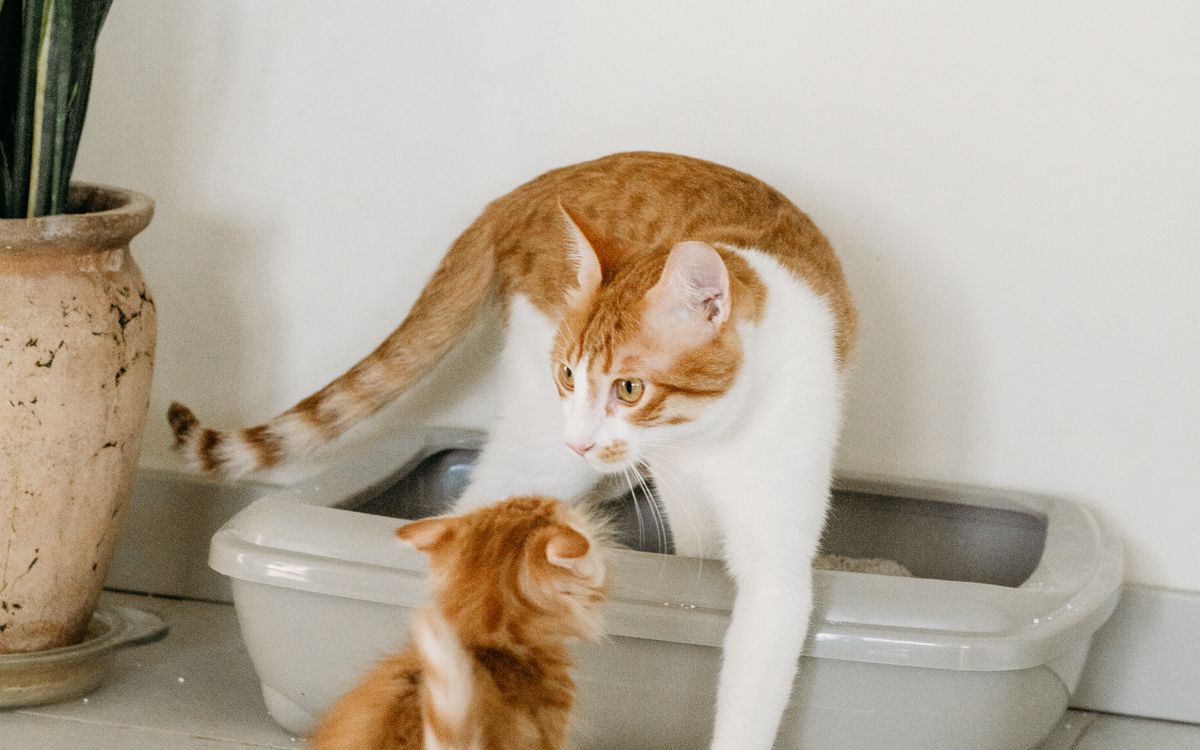
What makes the best cat litter for a senior cat?
Forget the marketing. For an older cat, four plain things decide it, and none of them is fragrance.
- Low dust. Old lungs are less forgiving, and a dusty litter is worse for a cat prone to coughing or feline asthma. A low-dust cat litter for senior cats is kinder to breathe around, for her and for you scooping it.
- Unscented. Cats have far sharper noses than we do, and many are put off by perfume. An unscented clumping cat litter is more likely to keep a fussy old cat using her box, not less; the scent is for us, not her.
- Soft on old paws. Arthritis is nearly universal in senior cats, so the best litter for cats with arthritis is a fine, soft-textured one that does not hurt to stand and dig in. Coarse, heavy pellets can be enough to make a sore cat resent the box.
- Good clumping. A litter that forms firm clumps is easier to keep spotless, and a clean box is one an old cat is far more likely to use. It also makes it easier to notice changes in her urine.
One more thing, whatever you buy: change litters slowly. Set the new litter in a second box beside the old one for a couple of weeks and let her choose, rather than swapping it overnight, which is a good way to send a set-in-her-ways cat looking for the rug instead.
The picks
Dr. Elsey's Precious Cat Ultra is the one I would reach for first. It is unscented, hard-clumping clay that Dr. Elsey's lists as 99% dust-free and hypoallergenic, which is most of the senior checklist in one bag, and it is among the most vet-recommended litters there is. The trade-offs are honest ones: clay is heavy to haul, and it is firmer underfoot than the softest options. For most older cats, it is the sensible default.
PrettyLitter is the interesting one. These are lightweight silica crystals, developed with veterinarians, that change color to flag blood or an abnormal pH in the urine, the kind of change that can point to a brewing urinary problem. For a senior cat, who is more prone to urinary tract disease, that early nudge has real value, and the crystals are low-dust and soft on paws. Two honest caveats: it costs well above clay and comes by subscription, and, crucially, a color change is a prompt to call your vet, not a diagnosis.
Dr. Elsey's Cat Attract solves one specific problem. It is clumping clay with a natural herbal attractant and a texture designed to draw a cat back to a box she has abandoned. If your cat has started going elsewhere for behavioral reasons, it genuinely helps. But most cats do not need it, and box avoidance is never a litter problem until a vet has ruled out a medical one, so this is a targeted tool, not an everyday litter.
World's Best Cat Litter, in its unscented Multiple Cat formula, is the pick for anyone tired of lugging clay. It is a natural corn-based clumping litter that is low-dust, lightweight, and flushable, and far gentler on your back. It costs more per use than clay, and its clumping and odor control are a small step behind the hardest clay litters, but for a low-dust, easy-to-handle bag it earns its place.
How the best cat litters for senior cats compare
Prices move with size and retailer, so check the current price before you buy rather than trusting a number here.
| Litter | Type | Dust | Scent | Senior strength |
|---|---|---|---|---|
| Dr. Elsey's Ultra | Hard-clumping clay | Very low | Unscented | Low-dust all-rounder |
| PrettyLitter | Silica crystals | Low | Unscented | Flags urinary changes |
| Cat Attract | Clumping clay + attractant | Moderate (clay) | Herbal attractant | Wins back a lapsed cat |
| World's Best | Corn, clumping | Low | Unscented | Light, flushable, natural |
Clumping or non-clumping litter for a senior cat?
For most older cats, clumping is the better choice, which is why every pick above clumps. The reason is not tidiness for its own sake. A clumping litter lets you lift waste out completely and keep the box consistently clean, and a clean box is the single biggest thing that keeps a set-in-her-ways old cat using it rather than the rug. It also lets you keep an eye on her urine, the size and number of the clumps, which is a quiet early warning for the urinary and kidney trouble older cats are prone to.
Non-clumping litter, usually traditional clay pellets, has its appeals: it often costs less, and some owners simply prefer it. But for a senior cat it carries real trade-offs. Because the urine soaks through instead of clumping, the box is harder to keep truly clean and harder to monitor, and coarse non-clumping pellets can be less comfortable under arthritic paws than a fine, soft clumping litter, which matters most for a cat whose mobility is already declining. If you do prefer non-clumping, or your cat clearly does, choose the finest, softest, lowest-dust version you can and refresh the lower layers often. For most older cats, though, a soft, low-dust clumping litter is the kinder and more useful pick.
A note on health-monitoring litter
A health monitoring cat litter like PrettyLitter is a lovely idea and a genuinely useful one for an older cat, as long as you hold it in the right place. The color change is an early-warning flag, not a test result. If the crystals turn a color that suggests blood or a pH problem, that is your cue to book a vet visit and have her urine properly checked, not to treat anything at home. And it works both ways: it should never lull you into ignoring the signs you can see yourself. Real straining, blood in the urine, or a cat producing only drops is a vet trip regardless of what color the litter is.
If she has stopped using her box
When an old cat starts going outside her box, it is tempting to blame the litter and buy something new. Resist that as the first move: there is no magic cat litter for a cat that stopped using the litter box until a vet has ruled out a medical reason. A cat who has stopped using the litter box is very often telling you something medical: a urinary problem, the ache of arthritis making the box hard to climb into, or the extra urine of kidney disease. The order that works is to see the vet first, then make the box itself easy with a low-entry design, and only then think about the litter. If a behavioral cause is confirmed, that is when a litter like Cat Attract earns its keep.
Frequently asked questions
What is the best cat litter for a senior cat? An unscented, low-dust, soft-textured clumping litter she will actually use. Dr. Elsey's Ultra is my overall pick for most older cats. If you want an early warning system for urinary trouble, a health-monitoring crystal litter like PrettyLitter is worth the premium.
What is a good low-dust cat litter for senior cats? Both Dr. Elsey's Ultra (a low-dust clay) and World's Best (natural corn) are low-dust choices, which matters for an older cat's airways and doubly so for one prone to asthma. Avoid the dustiest lightweight clays if breathing is a concern.
Does health-monitoring cat litter actually work? It can flag changes, not diagnose them. Color-changing litters react to blood or an abnormal pH and prompt you to see the vet sooner, which is genuinely useful for a senior cat. But a normal color is not a clean bill of health, and an abnormal one is a reason to call the vet, not a diagnosis.
What litter is best for a cat with arthritis? A soft, fine-textured one that does not hurt to stand on. Fine clumping clays and corn litters are gentler than coarse pellets. Pair it with a low-sided box so a stiff cat does not have to climb.
My cat stopped using the box. Will a new litter fix it? Maybe, but not first. Have your vet rule out a medical cause before anything else. If the problem turns out to be behavioral, an attractant litter like Cat Attract can help draw her back.
Is clumping or non-clumping litter better for a senior cat? For most senior cats, clumping. It keeps the box cleaner, which keeps a fussy old cat using it, and it lets you spot changes in her urine that can flag urinary or kidney trouble early. Non-clumping clay is cheaper and simpler, but it is harder to keep clean and to monitor, and coarse pellets can be less comfortable for arthritic paws and harder for a less mobile cat to dig in. If you use non-clumping, pick the finest, softest, low-dust option and refresh it often.
The bottom line
The truth about the best cat litter for senior cats is a little deflating: it is mostly the least fussy one, low in dust, free of scent, soft underfoot, in a box she can walk into. A clever litter that watches her health is a genuine bonus, and there is a special-purpose bag for a cat who has lost the habit, but neither replaces the basics or a vet's eye. When Biscuit's litter needed changing, I did not agonize over brands; I set a low-dust, unscented tray beside her old one and let her tell me which she preferred over a couple of quiet weeks. When it comes to the best cat litter for senior cats, that patience is worth more than anything printed on the bag.
Sources
- Dr. Elsey's, Precious Cat Ultra
- Dr. Elsey's, Cat Attract
- PrettyLitter, Health Monitoring Cat Litter