
The Best Water Fountains for Senior Cats (2026): An Honest Guide
The best water fountain for a senior cat can help her drink more, but only if you keep it clean. An honest look at the options, and when a bowl is enough.
Our Ratings at a Glance
Some picks below are affiliate links. If you buy through one, we may earn a small commission at no extra cost to you. It never affects our ratings.
1
PetSafe Drinkwell Pagoda Fountain4.6 / 5Best fountain for senior and arthritic cats
- Ceramic, so it stays cleaner than plastic and is heavy enough not to slide
- Low tiered bowls that PetSafe notes are good for senior or arthritic pets
- 70 oz capacity, top-rack dishwasher safe, carbon and foam filters
- The more expensive of the two; check current price
2
PetLibro Stainless Steel Cat Water Fountain (3L)4.4 / 5Best easy-clean value fountain
- 304 stainless steel, which resists the slime that builds up in plastic fountains
- Whisper quiet at 30 dB or under, with an adjustable gentle-flow setting
- 3 L capacity, dishwasher-safe tank, cleaning brush included
- Well under half the price of the ceramic pick; check current price
The best water fountain for a senior cat earns its place by one plain test: whether it actually gets her drinking. Getting an older cat to drink enough is a quiet worry for a lot of us, and a fountain is the gadget most often sold as the answer. Sometimes it is. Many cats do drink more from moving water, and for a senior cat that extra intake matters, since Cornell notes that kidney function frequently deteriorates in older cats. It matters most in hot weather, when the risk of dehydration climbs. But a fountain only helps if you keep it clean, and a neglected one, with a slimy pump and cloudy water, is worse than a fresh bowl. So the best water fountain for a senior cat is really the one you will actually keep clean, and this guide is as much about that as about which to buy.
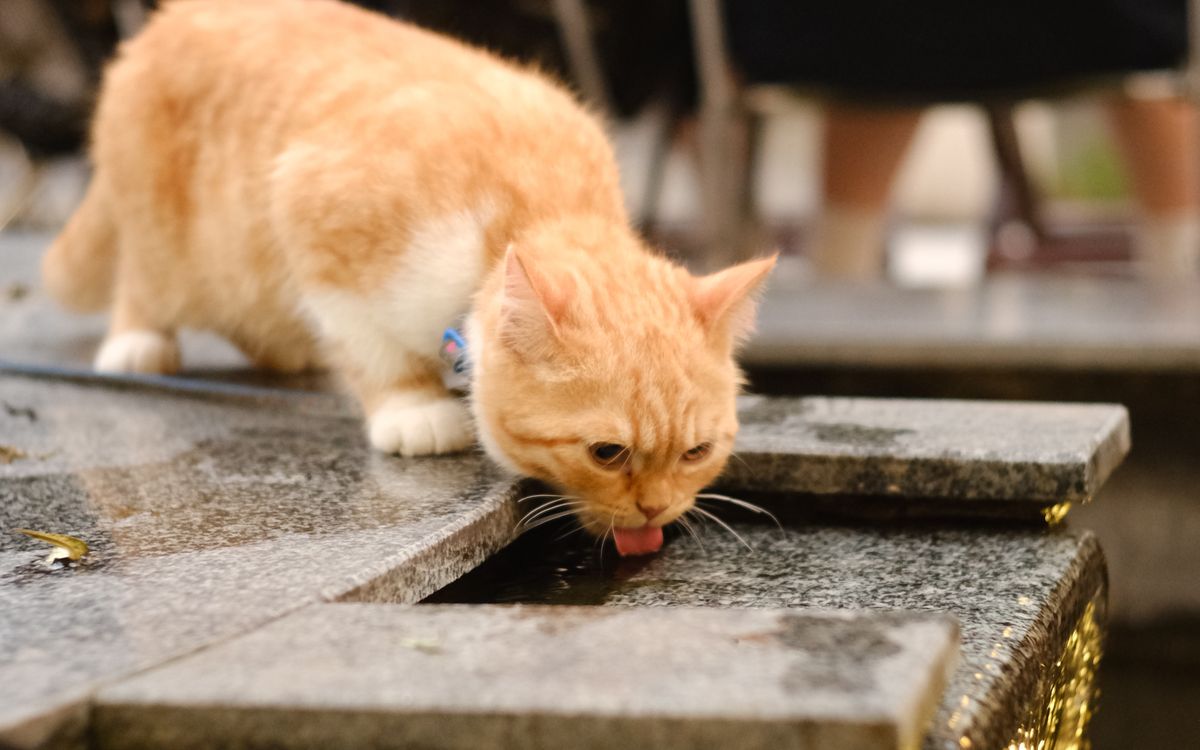
Does a senior cat actually need a water fountain?
No, and it is worth saying plainly before you spend the money. A fountain is a tool for one job: getting more water into a cat who does not drink enough on her own. Many cats are drawn to moving water and will drink more from a fountain, which is genuinely useful for a cat with chronic kidney disease or a tendency toward constipation, where hydration does real good. But some cats ignore a fountain entirely, and for them a couple of wide, fresh bowls work just as well. If your cat already drinks well from a bowl, you do not need this at all. If she does not, a fountain is worth a try, and so is leaning on wet food.
What actually matters in a fountain for an older cat
Most fountain marketing misses what counts for a senior cat. In rough order, this is what does:
- How easy it is to keep clean. This is the whole thing. A fountain that is a chore to take apart will get cleaned less, grow biofilm, and put your cat off. Plastic is the worst offender, since it scratches and harbors slime. Ceramic and stainless steel wipe clean and can go in the dishwasher, which is why both picks below are one or the other.
- A quiet pump and a gentle flow. Older cats are easily put off by noise or a forceful stream. Look for a pump rated around 30 dB or quieter, and ideally an adjustable flow you can turn down.
- Low, easy access. A tall or narrow fountain is a hurdle for a stiff cat. A low, open bowl she can reach without stretching or climbing is kinder, the same principle as making the whole home easier for her.
- A filter you can actually get. Any fountain needs its filters changed. Check the replacements are cheap and easy to find before you buy.
The senior-friendly pick: PetSafe Drinkwell Pagoda Fountain
If you want the fountain that is easiest to keep clean and kindest to an older cat, the ceramic PetSafe Drinkwell Pagoda is my pick. Being ceramic, it wipes clean where plastic grows slime, it is top-rack dishwasher safe, and it is heavy enough that a cat cannot nudge it around. Its low, tiered bowls are the reason PetSafe describes it as good for senior or arthritic pets, and because the bowls hold standing water, your cat can still drink from it if the power goes out. It holds 70 ounces, uses a carbon filter for taste and a foam filter for hair and debris, and it is the expensive option here.
The drawbacks are real but small. It costs noticeably more than a plastic or stainless fountain, the ceramic can chip if it is knocked off a counter, and the pump itself, like every fountain pump, still needs a proper clean every week or two. For a cat you are trying to keep hydrated for her kidneys, it is money well spent.
The easy-clean value pick: PetLibro Stainless Steel Cat Water Fountain
If the ceramic price stings, the PetLibro Stainless Steel Fountain does the important things for less. Its bowl is 304 stainless steel, which resists the biofilm that builds up in plastic, and the tank is dishwasher safe. It is genuinely quiet, rated at 30 dB or under, with a flow you can dial down to a gentle trickle that will not startle a nervous old cat. It holds a generous 3 liters, comes with a cleaning brush, and costs well under half what the ceramic fountain does.
It is not perfect. The pump and the plastic water outlet still need regular cleaning, it runs on a cord rather than a battery, and it holds a little less than the Pagoda. But for the money, a quiet stainless fountain you can put in the dishwasher is hard to beat.
You might not need a fountain at all
Before you decide a fountain is the answer, try the simple thing. Put out two or three wide, heavy bowls of fresh water, one on each floor she uses, set away from her food, and change them daily. A shallow ceramic or stainless bowl she does not have to dip her whiskers into suits a lot of older cats better than any fountain. Plenty of cats never warm to a fountain, and for them, water in easy reach in several places is what lifts their intake. A fountain is one good option for a fussy drinker, not a requirement for a healthy one.
How they compare
Prices are a snapshot from August 2026, taken from each maker's own site. Check before you buy.
| Fountain | Material | Capacity | Price (Aug 2026) | Best for |
|---|---|---|---|---|
| A few wide bowls | Ceramic or steel | Any | A few dollars | Cats who drink fine, or ignore fountains |
| PetLibro Stainless Steel | 304 stainless steel | 3 L | The budget pick, check current price | Easy cleaning on a budget |
| PetSafe Drinkwell Pagoda | Ceramic | 70 oz | The premium pick, check current price | Senior and arthritic cats |
Frequently Asked Questions
Do water fountains help cats drink more? Many cats are drawn to moving water and will drink more from a fountain, which can help a cat who does not take in enough on her own. But it is not guaranteed. Some cats ignore fountains completely and do better with a few fresh bowls. A fountain is worth trying for a reluctant drinker, especially one with kidney disease, and worth skipping for a cat who already drinks well.
Is a cat water fountain good for kidney disease? It can be a real help. A cat with kidney disease needs to stay well hydrated, and a cat water fountain for kidney disease works by tempting a reluctant drinker to take in more than she would from a still bowl. It is not a treatment, and some kidney cats ignore fountains entirely, but for one who likes moving water it is an easy way to nudge her intake up alongside wet food.
What kind of water fountain is best for a senior cat? A ceramic or stainless steel one that is easy to take apart and clean, with a quiet pump, a gentle adjustable flow, and low bowls she can reach without stretching. The material matters most, since a fountain that is hard to clean will not stay clean. The easiest cat water fountain to clean is usually a stainless steel one with few parts, like the PetLibro; ceramic models like the PetSafe Pagoda are good too.
Are ceramic or stainless steel fountains better than plastic? For most cats, yes. Plastic scratches and holds a slimy biofilm that is hard to scrub off, and it is linked to chin acne in some cats. Ceramic and stainless steel wipe clean, tolerate the dishwasher, and stay hygienic with far less effort, which is why they are worth the higher price.
How often do you need to clean a cat water fountain? Rinse it and top it up every day or two, and take it fully apart for a proper clean, including the pump, about once a week. Change the filter on the maker's schedule. A fountain only helps if it is clean, so if you know you will not keep up with it, a couple of bowls you refresh daily is the more honest choice.
The bottom line
A fountain can be a real help for a senior cat who does not drink enough, and for a cat with failing kidneys that extra water is worth chasing. If you buy one, get the kind you can keep clean: the ceramic PetSafe Pagoda if you want the easiest and most senior-friendly, the stainless PetLibro if you want most of that for half the price. But do not feel you have failed if your cat snubs it. Biscuit took to her fountain slowly, and on the days she prefers the bowl by the window, I let her, because the point was never the gadget. It was the water going in. The best water fountain for a senior cat is only ever the one that gets, and keeps, her drinking.
Sources
- Cornell Feline Health Center, Loving Care for Older Cats
- PetSafe, Drinkwell Pagoda Fountain
- PetLibro, Stainless Steel Cat Water Fountain